A Straightforward Guide to Boilers

Boiler Basics to Help Keep a Home Warm and Efficient

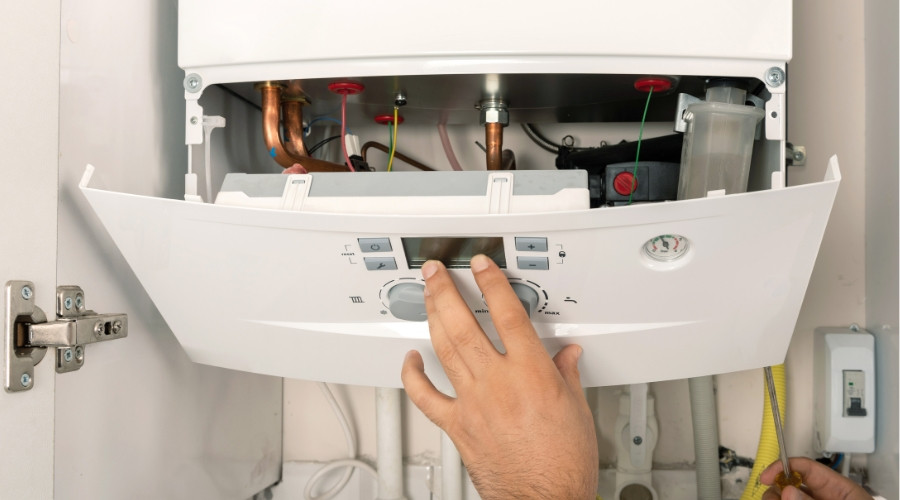
Choosing the right boiler can feel overwhelming, but this guide is designed to clarify the confusion surrounding a home’s boiler heating system. Making an informed choice helps keep living spaces warm while keeping energy use in check. This post provides an overview of boiler types, common signs indicating the need for service, and practical steps to enhance efficiency and prolong equipment life. It also outlines where boiler installation, boiler repair, or boiler replacement makes the most sense. Let’s dive in and find reliable solutions that maintain indoor comfort year-round.

What Is a Boiler?

A boiler is a closed vessel that heats water or produces steam to deliver warmth through radiators, baseboard heaters, or radiant floors. Unlike a furnace that pushes heated air through ductwork, a boiler heating system circulates hot water or steam, which often results in even, draft‑free comfort. Many households find this approach quieter and more consistent, and it can support strong efficiency when properly sized and maintained.

Versatility is a key advantage. A modern boiler can be powered by natural gas, propane, oil, or electricity, giving property owners flexibility based on local availability and preferences. Because heat is transferred to surfaces and objects, rooms typically feel uniformly warm without the dry feeling associated with forced air. Another benefit is reduced dust circulation, as water‑based heat does not rely on ducts to move air around. Fewer moving parts than many air‑based systems can also mean a simpler maintenance profile.

When considering upgrades, professional boiler installation ensures correct sizing, safe venting, and optimal setup for long‑term performance. Newer equipment, matched to the application, can help improve efficiency and comfort. For aging systems with frequent issues, discussing boiler replacement alongside repair options can clarify both short‑ and long‑term costs.

Signs That Boiler Repair Is Needed

sounds A boiler works hard to keep spaces comfortable, and early attention to warning signs helps prevent breakdowns. Water pooling around the boiler should be addressed promptly by a qualified professional, as even small leaks may signal issues with valves, seals, or pressure controls. Corrosion or mineral buildup can contribute to these concerns if left unaddressed.

Unusual sounds—such as banging, whistling, or gurgling—often point to trapped air, scaling, low pressure, or circulation problems. A boiler heating system should operate quietly during normal cycles. Inconsistent temperatures from room to room or radiators that take longer than usual to warm can indicate circulation or control issues that call for boiler repair.

Rising utility costs without a clear cause may be another clue that efficiency has declined. Short‑cycling (frequent on‑off operation), pilot or ignition concerns, and frequent resets are all signals that professional diagnostic work is needed. When problems recur despite regular boiler maintenance, a technician can help compare the costs and benefits of continued boiler repair versus planning a boiler replacement to restore reliable performance and better efficiency.

How to Keep a Boiler Efficient

boiler Regular boiler maintenance is the most effective way to protect performance and minimize surprise repairs. During a professional service, a technician typically inspects the heat exchanger, checks safety controls, verifies venting, evaluates electrical connections, and cleans the burner assembly. Proper combustion setup and circulation checks help maintain steady operation and can support improved efficiency over the heating season.

Between visits, simple habits go a long way. Bleeding radiators to remove trapped air, monitoring system pressure, and keeping areas around the boiler clear all promote healthy operation. Addressing water quality with corrosion or scale control, when recommended, can protect internal components and heat transfer surfaces. Insulating exposed piping and balancing radiator valves can also help distribute heat more evenly throughout the space.

Knowing when to repair versus replace is part of long‑term planning. If an older unit requires frequent service or major components, evaluating boiler replacement may be cost‑effective over time. When installing new equipment, professional boiler installation ensures correct venting, controls, and piping—key factors that influence efficiency, reliability, and comfort. With consistent boiler maintenance and timely repairs, most systems deliver steady, dependable heat through many winters.

About Carmine’s Plumbing, Heating & Air Conditioning

Carmine’s Plumbing, Heating & Air Conditioning is a top-rated plumbing and HVAC company committed to providing expert workmanship and attention to detail from friendly, professional technicians. Call them today for flat-rate pricing on boiler services in Danbury, CT.

Distribution Links +

Signs Indicating It's Time for a Water Heater Replacement

Water heater with visible water leakage, surrounded by plumbing tools, emphasizing the need for water heater replacement services.

When Is a New Water Heater Needed?

No one likes being stuck taking a cold shower because there’s no hot water. The water heater is one of the unsung heroes of a home, silently providing hot water for comfort and convenience. However, like all appliances, it has a lifespan and will eventually need replacing. Recognizing the signs that a water heater is nearing the end of its useful life and calling for water heater replacement can help avoid unexpected breakdowns, costly repairs, and being stuck without hot water. 

Temperature Issues

Hand catching water from a faucet, illustrating water temperature issues related to failing water heaters.One of the most frustrating signs of a failing water heater involves hot water issues. These water heating issues may include running out of hot water too quickly, no hot water, or uneven or inconsistent temperatures. These water temperature issues are a strong indicator that the water heater is struggling and may need water heater repair or replacement. 

It could be due to issues with heating elements, thermostats, old age, or other problems, all of which can severely impact a water heater’s performance. These temperature-related problems not only disrupt daily routines but may necessitate a water heater replacement to restore reliable hot water service. Professionals can inspect the water heater, find the cause of the issue, and determine whether replacement or repair is needed.

Leaks

Visible leaks or pooling water around the base of a water heater are clear signs that a replacement is likely necessary. A water heater leak often stems from cracks in the tank itself, corroded fittings, or failing pressure relief valves. Once the tank's integrity is compromised, it's often beyond repair, as welding or patching a pressurized water tank is rarely a long-term or safe solution. Ignoring a leaking water heater can lead to significant water damage to the home, foster mold growth, and even pose electrical hazards if water comes into contact with wiring.

Even small, persistent drips should not be overlooked, as they can escalate into larger problems quickly. A leaking water heater may indicate that the internal components are deteriorating. Replacing a leaking water heater promptly will prevent further damage to the property and restore peace of mind.

Age and Corrosion

Brown, discolored water flowing from a faucet into a sink, indicating potential corrosion in a water heater.Traditional storage water heaters typically have a lifespan of around 10 to 15 years. So, if a unit has exceeded 10 years in service and begins experiencing issues, it’s often more cost-effective to replace it rather than continue with repairs. As a water heater ages, its internal components wear down, becoming more susceptible to breakdowns and less efficient in heating water. Investing in a new, more energy-efficient model can also lead to significant savings on utility bills in the long run.

Water heater corrosion is another critical sign that a water heater needs replacing. Visible rust and corrosion on the tank or connections, or the presence of discolored, rust-colored hot water coming from taps, indicate internal corrosion. Similarly, if the hot water has a strange, metallic smell, it could be a sign of rust and corrosion. Once corrosion sets in, the structural integrity of the tank is compromised, making leaks inevitable. Replacing a corroded water heater is crucial to prevent potential water damage and ensure a safe, clean hot water supply.

About Carmine’s Plumbing, Heating & Air Conditioning

Carmine’s Plumbing, Heating & Air Conditioning has more than 30 years of experience serving Danbury and the surrounding areas. They offer flat-rate pricing, the latest technology, and 24/7 emergency service. Call them for water heater repair and replacement services in Danbury, CT.

Distribution Links +

Beat the Heat: Central Air vs. Ductless Mini Splits

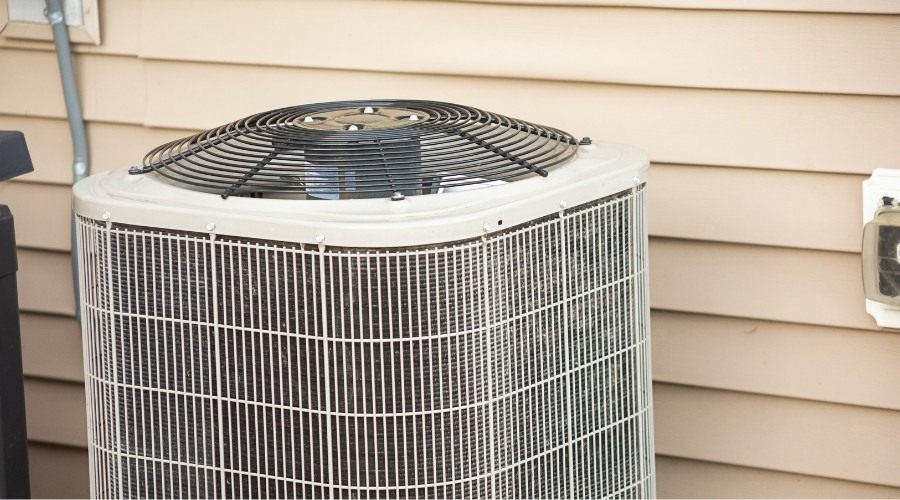
Central air conditioning unit in residential setting, highlighting cooling technology relevant to HVAC options.

Choosing Between a Central AC and a Ductless Mini Split System

Homeowners looking to upgrade their cooling systems often face the choice between a central AC system and a ductless mini split system. Each option comes with its own advantages, costs, and installation considerations. 

Understanding the differences between these systems can help homeowners select the solution that best fits their home’s layout, energy efficiency goals, and comfort preferences. From upfront installation expenses to long-term energy savings, evaluating these factors ensures that the selected system meets both practical and lifestyle needs.

Central Air Conditioning

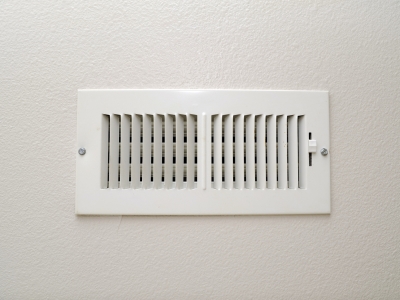
Wall-mounted air vent for central air conditioning system, illustrating air circulation in home cooling solutions.A central air conditioning system uses a network of ducts to circulate cool air evenly throughout the home. One of the main advantages of a central AC system is its convenience: a single thermostat can manage the temperature in every room, ensuring consistent comfort across all areas. 

For homes with pre-existing ductwork, installing a new central air conditioner is often more affordable and less disruptive than converting to a ductless mini split system. Beyond the initial cost savings, central air systems offer dependable cooling for larger homes, maintaining uniform temperatures throughout without the need for multiple units or individual adjustments.

Ductless Mini Split Air Conditioner

Ductless mini split air conditioner mounted on wall, illustrating efficient cooling solution for homes without ductwork.Ductless mini split systems serve as an alternative cooling solution for areas where installing traditional ductwork is impractical or impossible. Each system includes one or more indoor air handlers paired with an outdoor condenser, offering flexible placement throughout the home. 

A major advantage of a ductless mini split air conditioner is its superior energy efficiency, as it eliminates the energy losses common in ducted systems and helps reduce monthly energy costs. Moreover, ductless mini split installation allows targeted cooling in specific rooms without extensive remodeling, making it especially suitable for older homes, room additions, or spaces not originally designed for ductwork.

Factors to Consider Before Installation

Several factors should guide the decision between a central air conditioner and a ductless mini split system. Homeowners with existing ductwork may find that installing a central AC system is the most cost-effective choice. At the same time, those with layouts that make duct installation impractical may benefit more from a ductless mini split installation. 

Budget considerations are also important: central air systems typically have lower upfront installation costs when ducts exist, whereas ductless mini split systems can offer lower monthly operating costs due to higher energy efficiency. 

Finally, comfort preferences play a role in central air conditioning systems, which provide uniform temperatures throughout the home. In contrast, ductless mini split systems allow for zone-specific temperature control, cooling only the rooms in use, and offering greater flexibility in managing comfort for different areas.

About Carmine's Plumbing, Heating & Air Conditioning

Carmine’s Plumbing, Heating & Air Conditioning is a trusted local company providing expert plumbing, heating, and AC services. Their NATE Certified techs deliver fast, professional service with flat-rate pricing and 24/7 emergency availability, ensuring reliable repairs, installations, and maintenance while prioritizing integrity, customer trust, and quality workmanship. Call them today for expert air conditioning services in Danbury, CT

Distribution Links +

Install a Sump Pump at Home for Flood Protection

Sump pump installation in a sump basin with water buildup, showcasing plumbing for flood prevention and water damage reduction.

What Is a Sump Pump?

Frequent water damage after heavy rainfall creates ongoing frustration for property owners. Installing a sump pump offers a proactive solution to reduce the risk of basement flooding. This device can provide reliable protection and reduce the need for repeated and expensive repairs.

Simple installation methods make sump pumps accessible for a wide range of properties. With a sump pump in place, peace of mind becomes a daily reality, even during intense storms.

Benefits of Sump Pumps

Hand reaching toward a corner showing mold growth and water damage, emphasizing the need for sump pump installation to prevent flooding and protect property integrity.A sump pump removes excess water from the lowest point of a structure, typically in a sump basin. By detecting water buildup and pumping it away from the foundation, these systems reduce the risk of significant structural damage. Continuous operation during storms helps maintain a dry and secure environment.

Installation of a sump pump typically costs far less than repairing foundation damage caused by hydrostatic pressure. Water removal also helps protect stored belongings, electronics, and finished living areas from flood-related losses.

Controlling moisture reduces the presence of mold and mildew in lower levels of the structure. This helps prevent health hazards and protects air quality. A dry basement limits the growth of harmful organisms and preserves the long-term integrity of both property and contents.

Primary Types of Sump Pumps

Submersible and pedestal sump pumps in red and blue, showcasing essential types for flood prevention and water damage control.Understanding the differences between submersible and pedestal sump pumps helps determine which system is most suitable. Submersible pumps operate underwater within the sump pit, offering quiet operation and strong pumping capacity. Pedestal models place the motor above the pit, creating easier access for maintenance and longer operational life.

Submersible pumps work best in locations with frequent or severe flooding. These models cost more than pedestal alternatives but deliver increased performance and minimal noise during operation. In contrast, pedestal pumps function well in less flood-prone areas and typically last longer due to reduced exposure to moisture.

Pedestal pumps produce more noise and offer lower pumping capacity, but they present a cost-effective solution for moderate water issues. Submersible systems remain ideal for high-volume water removal and homes with consistent basement flooding. Performance, budget, and maintenance preferences all factor into the selection process.

Secondary or Backup Sump Pumps

Primary sump pumps can fail during critical moments, especially when power loss coincides with severe weather. Backup sump pump systems provide a second layer of defense, reducing the risk of extensive damage. These systems engage automatically when the main pump stops working.

Battery-operated backups activate when electrical service is interrupted, offering temporary protection during outages. Water-powered systems serve as another alternative, using household water pressure to operate independently from the power grid. Both options ensure continued drainage when the main unit becomes nonfunctional.

Mechanical issues often occur without advance notice, making a backup pump essential for emergency response. Dual-pump setups also manage large volumes of water that exceed the capacity of a single unit. This extra protection helps maintain a dry basement and avoids costly repairs during extreme weather.

About Carmine’s Plumbing, Heating & Air Conditioning

Carmine’s Plumbing, Heating & Air Conditioning is a trusted plumbing, heating, and air conditioning company in Danbury, CT, and beyond. They offer 24/7 emergency service, flat-rate pricing, and on-time arrival. Call them today for sump pump services in Danbury, CT.

A Guide to UV Air Sanitizers and Their Benefits

Man relaxing on a couch with hands behind his head, representing comfort and stress relief, relevant to home maintenance and HVAC service benefits.

Why Get UV Air Sanitizer Installation?

UV air sanitizers represent a modern approach to maintaining cleaner indoor environments. Concerns about airborne pollutants and harmful germs have led many to explore advanced purification methods. UV technology offers an efficient and consistent way to improve indoor air conditions in both residential and commercial spaces.

This method delivers fast-acting performance by targeting microscopic threats that circulate through central air systems. Rather than relying on reactive solutions, UV air sanitizers provide proactive, ongoing protection. Clean air becomes a constant feature of the living space, contributing to long-term wellness.

What Is a UV Air Sanitizer?

A UV air sanitizer utilizes ultraviolet light to eliminate harmful microorganisms within an HVAC system. Installation occurs within existing ductwork or near the evaporator coil, where the device continuously disinfects air as it flows through the system. According to the EPA, these systems can neutralize up to 99.9% of airborne pathogens.

The key lies in ultraviolet-C light, which operates in the 200–280 nanometer wavelength range. This light spectrum disrupts the DNA and RNA of viruses, bacteria, and mold spores, stopping reproduction and preventing further spread. The result is a cleaner, safer airflow throughout the entire building. Unlike room-based purifiers, this technology treats the entire ventilation network.

Health Benefits of Installing a UV Air Sanitizer

Installing UV air sanitization technology into the HVAC system makes it an effective tool for neutralizing airborne threats. The ultraviolet light neutralizes bacteria, mold spores, and viruses as air circulates through ductwork. This results in cleaner, safer air delivered to every room.

By reducing bacteria, viruses, and allergens that standard air filters cannot capture, UV treatment helps reduce the risk of illness and respiratory discomfort. Improved indoor air quality contributes to better sleep, reduced illness, and fewer allergy symptoms throughout the household. These systems also function automatically within the HVAC system to maintain cleaner air. 

Energy Efficiency Benefits and HVAC Performance

Hand depositing cash into a pink piggy bank, symbolizing financial savings and investment.UV air sanitizers help maintain clean coils and ducts, which reduces strain on HVAC equipment. Microbial buildup inside ductwork and on coils creates airflow resistance and reduces system performance. Eliminating this buildup allows heating and cooling systems to operate more efficiently. Energy usage decreases as the HVAC system requires less effort to regulate indoor temperatures. This can lead to measurable energy savings over time.

Better system performance also results in less wear and fewer repair needs. UV sanitization extends equipment lifespan by keeping components cleaner for longer periods. This investment supports both indoor air quality and financial efficiency through reduced energy consumption and maintenance costs.

Signs a UV Air Sanitizer Is Needed

Ceiling with visible mold growth and air vent, indicating poor indoor air quality and the need for UV air sanitizers.Persistent respiratory issues often indicate poor indoor air quality. Frequent allergy flare-ups, asthma symptoms, or recurring colds may point to contaminants circulating through the HVAC system. UV air sanitizers offer an effective response by targeting airborne microorganisms that other systems may miss.

Homes experiencing mold issues also benefit from ultraviolet purification. UV systems neutralize airborne mold spores before they can spread or settle, although moisture sources still need to be addressed directly. These sanitizers provide critical support when mold presence cannot be fully controlled through conventional methods.

Typical warning signs include constant sneezing indoors, recurring illnesses among multiple residents, or visible signs of mold despite regular cleaning. As reported by the EPA, indoor air pollution levels can significantly exceed those found outside. Comprehensive air treatment becomes essential in maintaining a healthy living space.

About Carmine’s Plumbing, Heating & Air Conditioning

With over 30 years of local experience in Danbury, CT, Carmine’s Plumbing, Heating & Air Conditioning is the fastest plumbing and HVAC service provider in the area. They offer flat-rate pricing, on-time arrival, and the latest technology. Call them for UV air sanitizer installation service in Danbury, CT.