

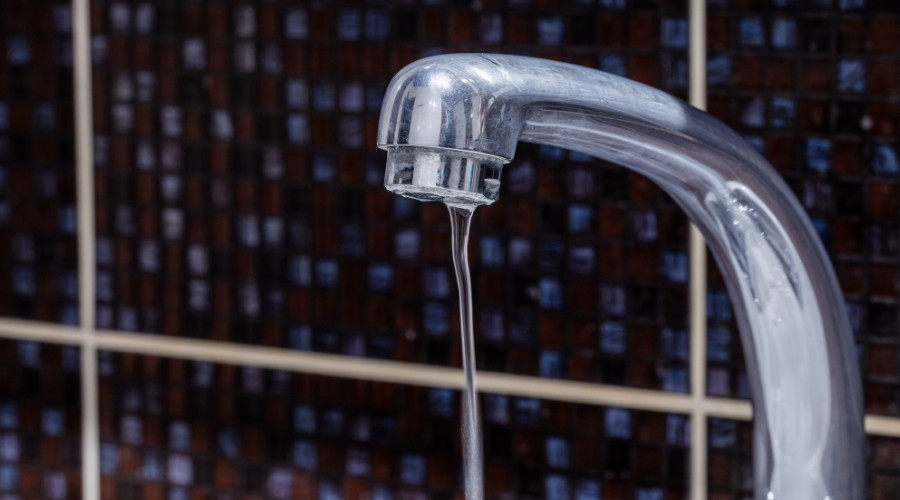
What Can Cause Low Water Pressure?
Dealing with a weak trickle instead of a strong flow from faucets and plumbing fixtures can be extremely inconvenient, making it harder and more time-consuming to wash hands, clean dirty dishes, and more, because the reduced water flow cannot effectively rinse away soap and debris. However, poor water pressure can also be a sign of an underlying issue that may require professional plumbing services. Identifying the underlying issue is the first step toward resolving the problem and restoring optimal water pressure.
Faulty Fixtures or Closed Valves
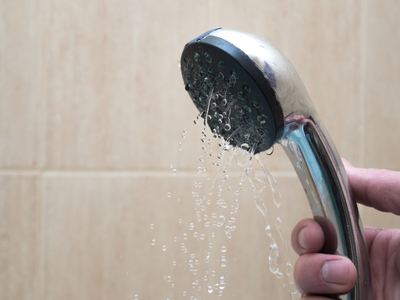 If the reduction in water pressure is localized, meaning it affects only one fixture, such as a single showerhead or faucet, the source of the trouble is likely that specific fixture. In many instances, the problem is a clogged aerator in the faucet or an accumulation of mineral deposits within the showerhead. Often, simply cleaning or replacing the plumbing fixture will solve the issue.
However, if diminished water pressure is throughout the property, the cause could be as simple as a valve that has been unintentionally closed or left partially shut, such as the main water shutoff valve or the water meter valve. An initial troubleshooting step is to inspect water valves and ensure they are fully open.
Water Leaks
 A decrease in water pressure affecting all taps and fixtures in the house can also be a significant indicator of a leak in the water line. When water escapes through a water line leak or burst pipe, it diminishes the volume and force of the water that ultimately flows out of the fixtures.
While some leaks are easily spotted, others can occur hidden inside walls, under the home's foundation, or underground, making them difficult to locate. Beyond the loss of water pressure, an unexpected spike in the monthly water bill is another strong clue pointing to a leak. Promptly identifying leaks and calling for water leak repair is vital, not only to prevent structural damage and water waste but also to restore proper water pressure levels.
Clogs and Buildup
Over time, the inner diameter of a home's water pipes can narrow, resulting in frustratingly low water pressure. Blockages and accumulations in water lines can lead to this issue and may arise from old, corroded water pipes. As the metal degrades and rust forms, flakes can detach and accumulate, reducing the pipe's internal diameter and slowing water flow.
Another potential cause of narrowing water lines is limescale and mineral buildup, particularly in regions with hard water. The minerals present in hard water, such as magnesium and calcium, can form a hard, abrasive layer often referred to as scaling or limescale inside the pipes. This gradual accumulation effectively constricts the water line, reducing the water pressure.
About Carmine’s Plumbing, Heating & Air Conditioning
Carmine’s Plumbing, Heating & Air Conditioning has been providing home services to the Danbury community for over 30 years. They offer flat-rate pricing, 24/7 emergency service, and the latest technology. Call them for plumbing services in Danbury, CT.
)
Distribution Links +
- https://go.chinesewire.com
- https://smb.bogalusadailynews.com
- https://smb.magnoliastatelive.com
- https://smb.orangeleader.com
- https://smb.panews.com
- https://smb.picayuneitem.com
- https://smb.lobservateur.com
- https://smb.panolian.com
- https://smb.americustimesrecorder.com
- https://smb.amnews.com
- https://smb.americanpress.com
- https://smb.dailyleader.com
- https://smb.oxfordeagle.com
- https://smb.bluegrasslive.com
- https://smb.claiborneprogress.net
- https://smb.elizabethton.com
- https://smb.jessaminejournal.com
- https://smb.kenbridgevictoriadispatch.com
- https://smb.thesnaponline.com
- https://smb.clemmonscourier.net
- https://smb.harlandaily.com
- https://smb.irontontribune.com
- https://smb.ourdavie.com
- https://smb.state-journal.com
- https://smb.thecharlottegazette.com
- https://smb.theinteriorjournal.com
- https://smb.tryondailybulletin.com
- https://smb.winchestersun.com
- https://smb.farmvilleherald.com
- https://smb.salisburypost.com
- https://smb.cordeledispatch.com
- https://smb.middlesboronews.com
- https://smb.thepostsearchlight.com
- https://pr.washingtoncitypaper.com
- https://smb.theleesvilleleader.com
- https://smb.prentissheadlight.com
- https://smb.beauregardnews.com
- https://pr.hattiesburg.com
- https://pr.walnutcreekmagazine.com
- https://pr.thembnews.com
- https://pr.boreal.org
- https://pr.timesofsandiego.com
- https://pr.chestercounty.com
- https://pr.wncbusiness.com
- https://pr.ashlandtownnews.com
- https://pr.millismedwaynews.com
- https://pr.norwoodtownnews.com
- https://pr.hopedaletownnews.com
- https://pr.franklintownnews.com
- https://pr.naticktownnews.com
- https://pr.norfolkwrenthamnews.com
- https://pr.hollistontownnews.com
- https://pr.rivertonjournal.com
- https://pr.columbiabusinessmonthly.com
- https://pr.herrimanjournal.com
- https://pr.holladayjournal.com
- https://pr.wvcjournal.com
- https://pr.midvalejournal.com
- https://pr.sandyjournal.com
- https://pr.southjordanjournal.com
- https://pr.cottonwoodheightsjournal.com
- https://pr.valleyjournals.com
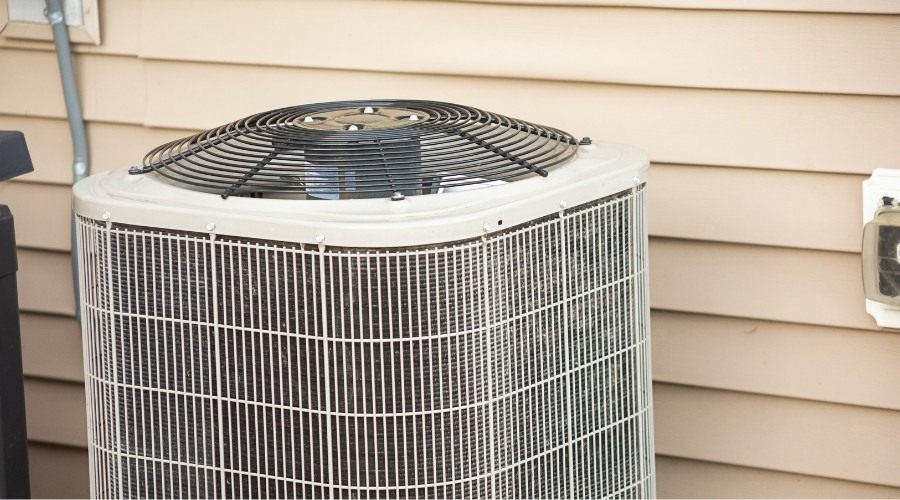
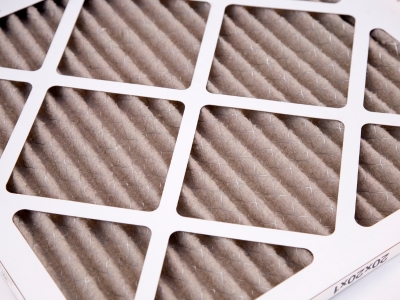 An HVAC system depends on a clean air filter to keep dust and debris away from sensitive components. When a filter becomes clogged, airflow drops, and the system must work harder to move the same amount of air, reducing energy efficiency and increasing wear. Most homes benefit from
 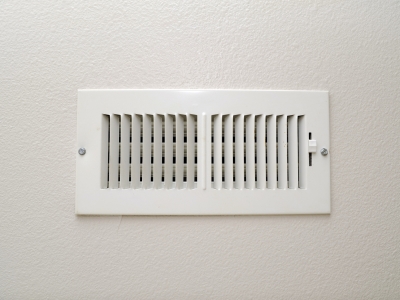 Closing supply registers or blocking air vents with furniture may seem like a way to redirect heating and cooling, but this habit often creates problems.
 )


 A consistent indoor temperature is one of the simplest defenses against freezing pipes. Even modest, steady warmth helps keep water moving and reduces the chance of ice forming inside a heater-adjacent line or a section tucked behind an exterior wall. To help that warmth reach hidden plumbing, keep cabinet doors open beneath sinks in kitchens and bathrooms, especially where pipes sit near outside walls. This allows warm air to circulate around supply lines that would otherwise remain in cooler, enclosed spaces.
)
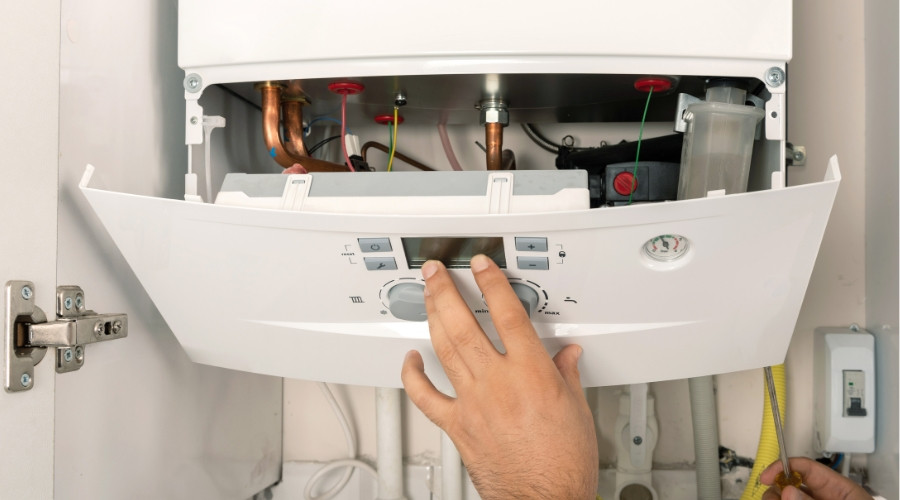
 A boiler works hard to keep spaces comfortable, and early attention to warning signs helps prevent breakdowns. Water pooling around the boiler should be addressed promptly by a qualified professional, as even small leaks may signal issues with valves, seals, or pressure controls. Corrosion or mineral buildup can contribute to these concerns if left unaddressed.
 Regular boiler maintenance is the most effective way to protect performance and minimize surprise repairs. During a professional service, a technician typically inspects the heat exchanger, checks safety controls, verifies venting, evaluates electrical connections, and cleans the burner assembly. Proper combustion setup and circulation checks help maintain steady operation and can support improved efficiency over the heating season.
)

 One of the most frustrating
 Traditional storage water heaters typically have a lifespan of around 10 to 15 years. So, if a unit has exceeded 10 years in service and begins experiencing issues, it’s often more cost-effective to replace it rather than continue with repairs. As a water heater ages, its internal components wear down, becoming more susceptible to breakdowns and less efficient in heating water. Investing in a new, more energy-efficient model can also lead to significant savings on utility bills in the long run.
)
