


Reduce Water Bills Without Sacrificing Convenience and Comfort
If homeowners are struggling with high water costs, there are some easy ways to shrink their water bills without making sacrifices. This blog post will share some practical tips and plumbing upgrades to conserve water and reduce water expenses.
Adopt Water-Saving Habits
 Adopting smart water-saving habits can dramatically reduce monthly water costs with minimal effort. Simple changes like turning off the tap while brushing teeth can save up to 8 gallons per day, while using a modern, efficient dishwasher to wash dishes can save more water than hand-washing. These simple water conservation techniques require no special equipment, just awareness of daily water usage. When brushing teeth or shaving, keep the faucet off until it’s time to rinse. This small change adds up quickly. For kitchen duties, load the dishwasher completely before running it rather than washing dishes by hand to save water.
Outdoor water usage also presents saving opportunities. Water the lawn and garden during the early morning or evening hours when evaporation rates are lowest. Midday watering wastes water through evaporation, requiring more water. Additionally, using mulch around plants helps retain soil moisture, reducing watering frequency. Smart irrigation controllers that adjust based on weather conditions can further optimize outdoor water consumption while maintaining a healthy landscape.
Install Water-Saving Fixtures
 Modern water-saving plumbing fixtures offer one of the easiest and smartest ways to reduce monthly water costs without sacrificing comfort. Low-flow showerheads can decrease water usage from the shower by up to 60% compared to traditional models while maintaining satisfying water pressure. Water-saving technology in plumbing fixtures has improved dramatically. Many water-efficient faucets now incorporate aerators that mix air with water, creating the sensation of good water pressure while using significantly less water.
Installing water-saving toilets represents another substantial opportunity for water conservation. Toilets can account for nearly 30% of an average home's indoor water consumption, so replacing older toilets with water-saving ones, such as a dual-flush toilet, can lead to significant savings. Consider replacing older bathroom fixtures with WaterSense-labeled products, which are certified to use less water than standard fixtures.
Don't overlook outdoor water usage when making improvements. Smart irrigation controllers adjust watering schedules based on weather conditions and soil moisture levels. These intelligent systems prevent overwatering during rainy periods. They can reduce landscape water consumption significantly without compromising plant health. Furthermore, drip irrigation delivers water directly to plant roots, minimizing evaporation and runoff. By strategically investing in water-saving technology both inside and outside the home, homeowners will enjoy lower utility bills while contributing to water conservation efforts.
Fix Water Leaks
Undetected water leaks can silently drain a homeowner’s wallet while wasting precious resources. Identifying and fixing household leaks promptly is one of the most effective water conservation strategies that can significantly reduce water bills. So, it’s important to watch for telltale signs of water leaks, including unexplained spikes in the water bill, damp spots or water stains on walls, ceilings, or floors, mold growth, musty odors, and the sound of dripping or running water when no fixtures are in use.
The water meter can also help detect leaks. Simply turn off all water sources inside and outside the home, then check if the meter’s reading changes over a two-hour period when no water has been used. If it does, the home likely has a leak somewhere in the system.
While DIY fixes might work for simple issues like dripping faucets, professional plumbers should be called to handle water leaks. They possess specialized equipment like acoustic sensors and infrared cameras to locate hidden leaks within walls or underground pipes. Investing in professional water leak detection and repair can prevent more costly water damage and water bills. Remember that fixing even small leaks not only conserves water and saves money but also protects the home from structural damage and mold growth, saving money in multiple ways.
About Carmine’s Plumbing, Heating & Air Conditioning
Carmine’s Plumbing, Heating & Air Conditioning has more than 30 years of local experience serving the Danbury community. They provide flat-rate pricing, 24/7 emergency service, and on-time arrival. Call them for plumbing services in Danbury, CT.
)

 If the
  When unusual sounds such as hissing, gurgling, or bubbling come from an air conditioning system, it may signal a refrigerant leak. Here’s why these sounds might occur:
)
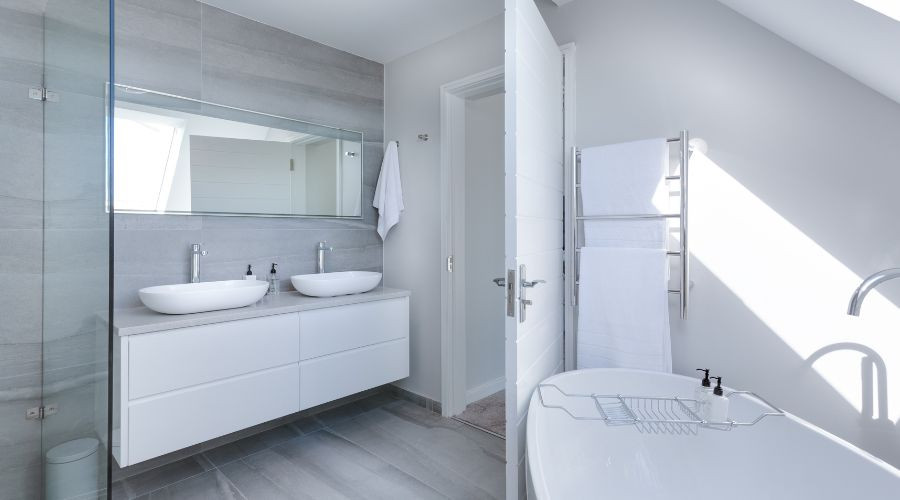
 Showerhead replacement is one of the simpler bathroom renovation projects, and it is one that some homeowners will feel comfortable doing themselves. In some cases, replacing a showerhead with a similar model will provide plenty of benefits in itself, as the new showerhead won’t have any buildup or deposits that reduce water flow.
  Installing a bathtub or replacing an existing bathtub is a pretty complicated job, which most homeowners will want to leave to the professionals. However, bathtub installation is one of the most valuable home upgrades a homeowner can carry out, as homes with bathtubs typically sell for more than comparable homes that lack one.
 )
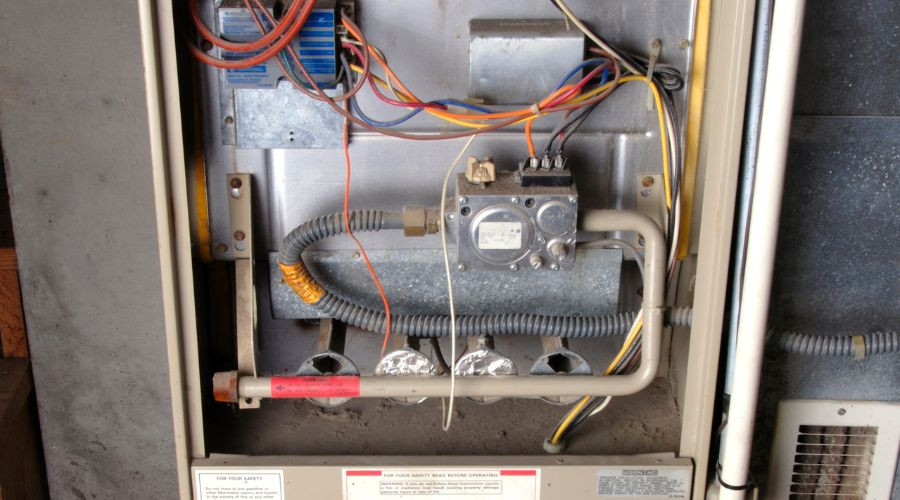
 Most homeowners are familiar with the threat of carbon monoxide poisoning. Many homes incorporate a device meant to detect high levels of carbon monoxide. The challenge with this particular hazard is that it’s silent with very subtle warning signs. There is no odor, color, or obvious signs of something wrong.
  Another common problem is the possibility of mold growth. Even when mold is in the home, the heating unit could spread that mold. This will significantly affect indoor air quality and the health of people in the home. It also can harm the unit and lead to heater repair requirements.
 )
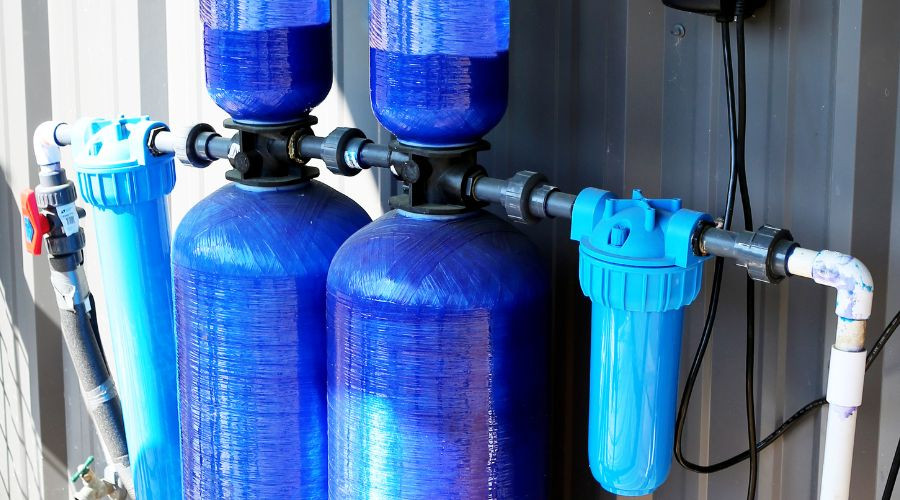
 Clean water is not just a right everyone should have; it is essential for health. Although the effects of contaminated water may not come immediately, consistent exposure could lead to long-term health effects. Those with compromised immune systems, such as the young, elderly, or diseased, are even more at risk.
)
