What to Know About Heat Pumps

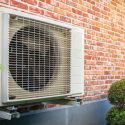
Air conditioning unit on a brick wall with green leaves and shrub, showcasing HVAC functionality for home comfort.

Answers to Frequently Asked Questions About Heat Pumps

Heat pumps are rising quickly in popularity, which is not surprising given the tax rebates offered on these energy-efficient appliances. Although heat pump technology is familiar, it has only in recent years become good enough to be a viable option for homes in most climates. That said, many homeowners are unaware of what heat pumps are and what kind of benefits they can bring to the home. Read on to learn what heat pump installation can do for homes. 

What Are Heat Pumps?

Heat pump system showcasing internal components and external fan, illustrating energy-efficient heating and cooling technology for homes.Some confusion surrounds heat pumps, and part of it concerns the name itself. The name heat pump doesn't tell even close to the whole story. This is because heat pumps can not only heat a home, but they can cool it as well. 

Heat pumps pull heat from outside the home (even when it's cold outside) and transfer it inside. However, this cycle can also be reversed, allowing the heat pump system to pull heat from inside the home and transfer it outside, thereby cooling the home. This is similar to how a refrigerator works, pulling warm air out of the fridge's interior and transferring it out. In this way, a single heat pump system can work as both a heater and an air conditioner. 

What Are Some Benefits of Heat Pumps?

As mentioned above, one heat pump benefit is the single-system factor. One heat pump system can do the work of both an air conditioner and a furnace. However, there are other benefits; the biggest one is their efficiency. These highly efficient systems rely less on fossil fuel energy to function than other heating and cooling systems. This also means they can help homeowners save money on their energy bills. 

Heat pumps are also very quiet — nearly soundless. Unlike a central heating system, where the sound of air blowing is unmistakable whenever the system is in operation, heat pumps produce little to no noise when in operation. Like HVAC systems, they help to improve indoor air quality by filtering the air. Heat pumps also help to dehumidify the home, much like air conditioners do — only they do it more efficiently. 

What Are Common Signs a Heat Pump Repair is Needed?

Couple reviewing paperwork at home, discussing heating and cooling system maintenance options related to heat pump repair.While heat pumps require less maintenance than central air systems, they require some maintenance. And with any system that requires maintenance, there could be times when the heat pump malfunctions. The trick is knowing when it's time for heat pump repair. The following signs are indications that it's time to call a professional for heat pump maintenance or repairs. 

If the heat pump is having trouble heating or cooling, it's a sign that it's time for maintenance. Likewise, if the heat pump runs longer than usual, it could indicate an issue within the system. Finally, odd sounds or smells could indicate an issue with the heat pump. Rattling or screeching sounds should be checked out by a professional. Odd smells should also mean it's time for professional heat pump repair. 

About Carmine's Plumbing, Heating & Air Conditioning

Carmine's Plumbing, Heating & Air Conditioning professionals have been proudly serving Danbury, CT, for over 30 years. Their courteous technicians arrive on time to perform expert and no-mess service. They also offer 24/7 emergency service and flat-rate pricing. Contact them today for heat pump installation or maintenance in Danbury, CT. 

Distribution Links +

What to Know About Improving Indoor Air Quality

Woman relaxing on a couch in a serene indoor setting, highlighting plumbing and HVAC service awareness for homeowners.

What Is IAQ (Indoor Air Quality)? 

The Environmental Protection Agency (EPA) notes that indoor air quality refers to the air quality in and around residences, commercial buildings, and factories. When there’s good air quality, homeowners can take a deep breath without coughing, sneezing, or feeling throat irritation. On the other hand, signs of poor air quality include coughing, sneezing, and general malaise. 

It’s vital to ensure that the home has good indoor air quality. After all, a healthy home is a happy household. Here are some basic things homeowners should know about improving their home’s air quality and the importance of HVAC maintenance. 

Good IAQ is Central to One’s Health 

Child sneezing into a tissue, illustrating symptoms of poor indoor air quality and its health effects.Poor IAQ can cause a host of adverse health effects, including: 

  • Headaches 
  • Dry eyes
  • Nasal mucus and congestion 
  • Fatigue 
  • Nausea 

Those with lung problems are very susceptible to the symptoms listed above. Thankfully, no one has to deal with poor IAQ forever. They have many options when improving their home’s air quality. 

The Air Filter Needs Replacing Every Three Months 

Person replacing an air filter in a home HVAC system, emphasizing the importance of regular air filter maintenance for improved indoor air quality.Routinely replacing the home’s air filter does a great job of regulating the air quality. Here are some things homeowners should know about this: 

  • According to EnergyStar, homeowners should replace their air filters once every three months. However, if a household has many pets (furry pets, to be exact), members should replace the air filter sooner. 
  • Air filters come in all shapes and sizes. Ensure to understand the specific AC needs before running out and buying one. Getting an air filter that’s too big or small will not do the job. 
  • There are reusable air filters! Homeowners can remove them every three months, spray them with a hose, and re-insert them. This saves money and waste. 

One can replace an air filter themselves or consult a professional to thoroughly inspect the HVAC system.

Get an Air Purifier or a UV Sanitizer 

Some products on today’s market do a remarkable job of removing smoke, pollen, and dander from the air. These products include: 

  • Air purifiers. Healthline notes that these devices filter and remove airborne contaminants. Some portable ones go from room to room, and others tie into the home’s heating and cooling system. 
  • UV air sanitizers. Medical News Today notes that UV air sanitizers use ultraviolet rays to remove germs from the air. However, they don’t remove VOCs. Like air purifiers, there are both portable and stationary installation options. 

The best option for one’s household depends on the residents’ situation. Before deciding, one should consider their household’s size, occupants, and energy needs. While air purifiers are better at removing dander and pollen, UV air sanitizers kill bacteria. 

About Carmine’s Plumbing, Heating & Air Conditioning 

Need fast HVAC maintenance or repairs? Call Carmine! Carmine’s Plumbing, Heating & Air Conditioning, that is. These professionals offer services to those living in Danbury, CT. They pride themselves on around-the-clock service, upfront pricing, and easy scheduling options. Homeowners can call today for air quality services!

Distribution Links +

Everything Homeowners Need to Know About Their Boilers

Gray cylindrical water heater tanks with visible pipes in a clean indoor space, reflecting Carmine's plumbing services.

Three Things Homeowners May Not Know About Boilers 

Boilers are one of the oldest in-home appliances. History credits Denis Papin of France for inventing the first boiler with a safety valve in the 1600s. However, some researchers believe that Egyptians used similar devices at the turn of the first century. 

Homeowners give their boilers little thought until the heat goes out. Suddenly, they wish they knew more. Here, homeowners can learn all about their boilers, including how they work, their eco-friendly advantages, and much more. 

Many Boilers Don't Boil Water Technician inspecting a boiler's control panel, emphasizing maintenance and operational checks for homeowners.

While all boilers have one goal in common, they each operate differently. One thing's for certain: not all boilers boil water. These appliances may use electricity or gas to convert water into steam. Most modern-day boilers use heat exchangers. This heats water while it's in the pipe then is sent to other parts of the home. 

Different types of boilers include: 

  • Hot water boilers
  • Oil boilers
  • Condensing boilers
  • Electric boilers 
  • Natural gas boilers 

But which one of these is the best? Well, that all depends on the home's (and residents') needs. When considering a new boiler, homeowners should consider their home's square footage, anticipated energy cost, and budget. 

Hands holding a green, eco-friendly house symbol, representing energy-efficient home heating solutions and sustainable living practices.Boilers Are Easy on the Environment 

Boilers are among one of the most energy-efficient ways to eat the home. Why? Well, for one thing, it doesn't constantly require new water. The boiler heats water and sends the steam through the home's vents. Then, that steam makes its way back into the system, where the process starts all over again. 

This is a huge advantage over electric boilers (which can send utility bills through the roof) and gas boilers (which can pose a safety hazard if not well-maintained. 

The U.S. Department of Energy notes that, right now, engineers are working on solar-powered boilers. When it comes to saving energy, this is the cream of the crop because it would solely run on renewable energy sources. While these appliances might be costly to install at first, over time, they can save homeowners thousands of dollars. 

Water Pressure Affects How Well a Boiler Operates 

Homeowners want a boiler with good water pressure. The more water pressure the boiler has, the farther it can send steam into the home. If a boiler isn't working as expected, the problem could be with the water pressure. 

In this situation, homeowners should consider partnering with a boiler repair service. These professionals prove invaluable when it comes to boiler installation and maintenance. 

Poor Water Pressure Has Many Causes 

When a plumber or HVAC professional evaluates one's boiler, they will search for: 

  • Any clogs
  • Loose valves or nuts
  • A county-wide issue (after all, the county controls the home's water pressure) 
  • Leaks 
  • Rusted or corroded pipes 

The sooner a professional can assess a boiler's problem, the sooner they can resolve the issue. If left unaddressed, homeowners may experience less-than-ideal temperatures, higher energy costs, and, above all, discomfort. 

About Carmine's Plumbing, Heating & Air Conditioning 

A working boiler could mean the difference between a cozy home and an icebox. That's why Carmine's Plumbing, Heating & Air Conditioning offers a full range of services to those living in Danbury, CT. Interested parties can call these boiler service professionals today to learn more. 

Learn All About the Boiler

Brown shoes on pavement with chalk drawings and a question mark by Carmine's Plumbing, Heating & Air Conditioning.

3 Questions To Help Better Appreciate a Boiler

A boiler is a form of heating system that heats using steam or hot water. Many homeowners are familiar with central heating systems like furnaces and air handlers, but boilers work a little different than these. It's essential to recognize the different types of boilers, understand how boilers work, and be aware of what maintenance they require. By truly understanding the ins and outs of the boiler system, homeowners will be better able to appreciate the heat their boiler provides.

How Does the Boiler Work?

Most boilers burn fuel, typically natural gas or propane, to bring water inside a tank to a boil. The fuel is controlled with a valve that opens and closes, allowing fuel to enter a combustion chamber where it ignites. The heat from the flame is transferred into the water tank with a heat exchanger. From there, an electric pump sends the hot water or steam into the home. 

Gears with text "how does it work?" and a question mark, symbolizing the mechanics of boiler systems in plumbing and heating.

The hot water or steam is delivered to each room through pipes inside a radiator, where it heats the air using a process called heat transfer. As the hot water or steam cools, it releases its heat into the room. As the steam cools, it condenses back into a liquid. The cooled water is returned to the boiler to be heated again.

What Are the Different Types of Boilers?

There are a few different types of boilers for residential use, including:

  • Steam boiler: This type uses pressure to deliver hot steam to radiators throughout the home and gravity to return condensation to the boiler tank. 
  • Hot water boiler: This type employs pressure and volume to pipe hot water to radiators throughout the home. Cooled water is returned to the boiler either using gravity or a pump.
  • Natural gas boiler: A boiler fueled by natural gas supplied by an underground line.
  • Propane boiler: A boiler fueled by propane; more common in rural areas.
  • Electric boiler: This type uses electricity to heat the water but is not technically the most energy-efficient.
  • Oil-fired boiler: This type uses oil as fuel for heating the water.

Does the Boiler Require Routine Maintenance?

Technician servicing a boiler, adjusting components and ensuring proper functionality for heating systems.

As with any heating system, boilers do require monitoring and routine maintenance. To keep the boiler in peak working condition, a professional should service it once a year. 

In the meantime, maintain the boiler by doing the following:

  • Bleed the radiators: Bleeding the radiators once a year will dislodge any air blockages and allow maximum heat transfer. This task is best done in the early winter. Also, ensure radiators are clean and uncluttered.
  • Run the boiler regularly: Turn the heat on for about 15 minutes every month. This will keep the water and steam moving through the system as it should and help prevent corrosion.
  • Monitor water levels: Different types of boilers need different levels of water, but homeowners should monitor the level to make sure it doesn't fall below the ideal range.
  • Monitor pressure: Pressure is a key element in the boiler system's function. Get in the habit of checking the pressure gauge to ensure the boiler doesn't need to be repressurized. 

About Carmine's Plumbing, Heating & Air Conditioning

With over 30 years of experience in the industry, Carmine's Plumbing, Heating & Air Conditioning is one of the most trusted boiler service companies in Danbury, CT. Call their experts for unmatched boiler services!

Professional Tips About Emergency Heater Repair Services

Bold text of "merge" highlighting collaboration in plumbing and heating services by Carmine's Plumbing.

Prepare for Heater Repair Emergencies

No matter how prepared a homeowner might be, no one is ever ready when an emergency strikes. It is possible to have safety procedures mapped out and to go through the motions to prevent a crisis from ever happening in the first place. But when an emergency does occur, it's almost promised to knock homeowners for a loop. It doesn't matter what kind of emergency it is either. 

Take a home's heating system, for example. Some circumstances can lead to homeowners needing emergency heater repair services. Like anything else in life, homeowners need to know how to handle a heater emergency when they encounter one. 

For those interested in learning more about handling a heater emergency and how to prevent emergencies in the future, continue reading below. 

How To Know if the Heater Needs Emergency Services

It isn't often that the heater requires immediate attention, but it's crucial to act fast when it does. Homeowners need to have a plan in place, and most importantly, one that involves having a trusted technician nearby for when emergencies occur. 

Some common signs of heater emergency are: 

  • Dust accumulation causing the furnace to break down 
  • The furnace is making loud noises
  • The area around the furnace is burnt black 
  • The house smells like smoke
  • Compromised integrity due to old age

Any one of these problems could occur at any moment, especially during the holidays, because the furnace has to work overdrive. Homeowners have to understand that their furnace is working just as hard as them during holiday dinner, if not harder. 

How To Prepare Before the Technician Arrives

It might come as a surprise, but there are a few things that every homeowner is supposed to do to prepare for the technician to arrive. It typically isn't a huge deal if they aren't done, but it helps make the job go smoother.

Technician in blue uniform and cap smiling from inside service van, ready for furnace inspection and maintenance.

Below is a small list of things to prepare for a professional furnace inspection: 

  • Remove all debris surrounding the unit
  • Make sure all pets are put away
  • The homeowner needs to prepare to be there the entire time
  • Expenses should always be talked about before the work is done

The holiday season is upon us, whether we are ready or not. It is time to get that heater checked and prepared for the months ahead. 

Tips To Prevent Emergencies in the Future

Wooden blocks spelling "PREVENT" on a background of lettered tiles, emphasizing tips to prevent heater emergencies and ensure proper maintenance.

There are different things homeowners can do to decrease the number of emergency heater expenses. Of course, the occasional emergency is still bound to happen, but local professionals can get there when it does. 

Here are a few ways to prevent heater emergencies: 

  • Give the system a break, especially during holiday dinner
  • Program the thermostat
  • Watch for warning signs 
  • Regular maintenance 

In the end, it is always best to get maintenance done regularly to ensure the furnace runs properly. When done properly, routine maintenance helps strengthen the overall durability of the machine. 

About Carmine's Plumbing, Heating & Air Conditioning 

Perhaps the worst time to suffer from a heater emergency is during the winter on a weekend night. However, when homeowners call Carmine's Plumbing, Heating & Air Conditioning, they can trust that the problem will be fixed promptly and efficiently with their emergency heater repair services. Call today to schedule heater repair in Danbury, CT!