

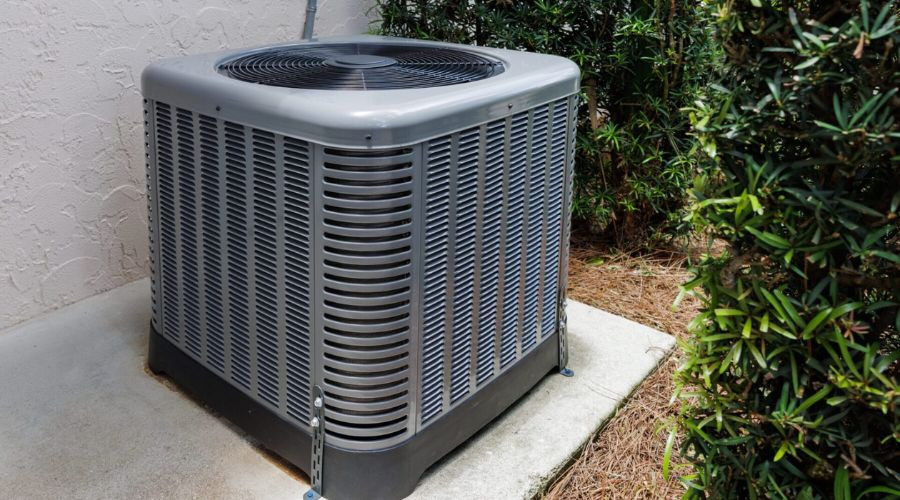
Air Conditioning:101
Kids are officially headed back to school! While most homeowners are no longer in classrooms, that doesn’t mean they shouldn’t take some time to learn every chance they get. Owning a home is a complex task, and no one should pass up on the opportunity to gain knowledge that will make their responsibilities easier.
One of the deficiencies that most homeowners have is a need for more knowledge about their air conditioning system. Not understanding how they work or what type of system is in a home can lead to problems when it comes time to diagnose issues and schedule repairs. This article is a quick refresher on all types of residential air conditioners. Reading this guide should equip homeowners to understand their system, spot the signs of trouble, and grasp the importance of seasonal AC maintenance.
Most Common Types of Air Conditioners
 There are two main types of air conditioners found in homes: central air conditioning and ductless mini-split air conditioning. The first is the most common, while the second is the fastest-growing choice for new installations and retrofits. For homeowners to know how to operate their system and understand how it works, it is necessary to determine which type is present in the home.
Central air conditioning is used to cool most homes in the US. The hallmark of these systems is the ducts routed around the home to convey cooled air. A central blower is used for heating and cooling, pushing air around the home to simultaneously adjust the entire home’s temperature.
Ductless mini-split air conditioners take a less conventional approach to home comfort. Instead of heating or cooling the entire home at once, chilled refrigerant is piped to individual cooling heads that control a zone of the home. This allows users to reduce their overall energy usage by only cooling the currently occupied zones and allowing users to control their zones more accurately according to their preferences.
Signs That AC Repairs Are Needed
 Regardless of the type of system that a home has, there will come a time when it will need repairs. Spotting the early signs that air conditioner repairs are needed can help homeowners avoid wasting time, sweating it out, and paying for expensive emergency services. Some of the indications that the AC unit must be checked are:
- Loud noises coming from the blowers or cooling heads of mini-splits
- Poor indoor air quality, including high humidity
- Loss of cooling power
- High utility bills
- Long cooling cycles
- Loss of power to the unit
Protect Air Conditioners With AC Maintenance
To prevent costly AC repairs, contractors and manufacturers recommend air conditioner maintenance once per year on the cooling system. When professionals are allowed to inspect and adjust the air conditioner annually, homeowners will notice improvements in efficiency and a distinct lack of need for repairs.
To maximize the value of annual air conditioner maintenance, homeowners should also take the time to replace air filters every three months. This prolongs the life of the equipment, protects the air quality inside the home, and prevents the buildup of dust and grime in the air conditioner.
About Carmine’s Plumbing, Heating & Air Conditioning
Carmine's Plumbing, Heating & Air Conditioning handles AC repairs for home and business owners. Their NATE-certified specialists offer the highest level of service available during emergencies or regular repairs. Call today for AC maintenance or repairs in Danbury, CT.
)
Distribution Links +
- htv10.tv
- central.newschannelnebraska.com
- metro.newschannelnebraska.com
- southeast.newschannelnebraska.com
- midplains.newschannelnebraska.com
- northeast.newschannelnebraska.com
- plattevalley.newschannelnebraska.com
- panhandle.newschannelnebraska.com
- rivercountry.newschannelnebraska.com
- lifestyle.mykmlk.com
- lifestyle.3wzfm.com
- lifestyle.southernsportstoday.com
- lifestyle.thepodcastpark.com
- lifestyle.680thefan.com
- lifestyle.xtra1063.com
- lifestyle.953hlf.com
- lifestyle.rewind1019.com
- lifestyle.us983.com
- lifestyle.countrylegends1059.com
- lifestyle.967wshv.com
- lifestyle.1045thedan.com
- michigan.yournewsnet.com
- lifestyle.kbew98country.com
- lifestyle.kccrradio.com
- lifestyle.capitalcityrock.com
- lifestyle.current943.com
- lifestyle.thedam.fm
- lifestyle.hotcountry931.com
- lifestyle.pierrecountry.com
- lifestyle.kotaradio.com
- lifestyle.q923radio.com
- lifestyle.kynt1450.com
- lifestyle.all80sz1063.com
- lifestyle.myeaglecountry.com
- https://pr.thembnews.com
- https://pr.stylemg.com
- https://pr.bradfordvillebugle.com
- https://pr.boreal.org
- https://pr.timesofsandiego.com
- https://pr.chestercounty.com
- https://pr.wncbusiness.com
- https://pr.ashlandtownnews.com
- https://pr.millismedwaynews.com
- https://pr.norwoodtownnews.com
- https://pr.hopedaletownnews.com
- https://pr.franklintownnews.com
- https://pr.naticktownnews.com
- https://pr.norfolkwrenthamnews.com
- https://pr.omahamagazine.com
- https://pr.hollistontownnews.com
- https://pr.greenvillebusinessmag.com
- https://pr.davisjournal.com
- https://pr.columbiabusinessmonthly.com
- https://pr.herrimanjournal.com
- https://pr.holladayjournal.com
- https://pr.millcreekjournal.com
- https://pr.wvcjournal.com
- https://pr.mysugarhousejournal.com
- https://pr.westjordanjournal.com
- https://pr.midvalejournal.com
- https://pr.sandyjournal.com
- https://pr.southjordanjournal.com
- https://pr.draperjournal.com



)
)
)
