

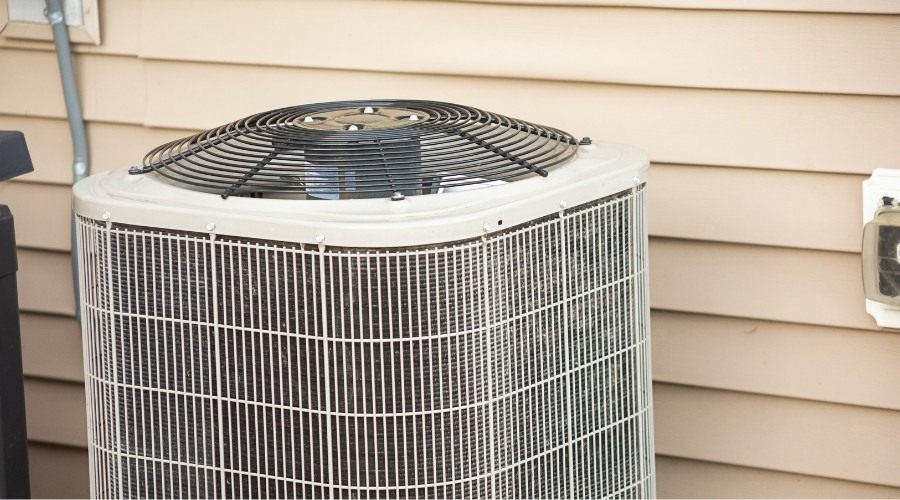
3 Common Heating and Cooling Mistakes to Avoid
As a new year begins, many households set goals to cut costs and feel more comfortable at home, making it a perfect time to rethink everyday heating and cooling habits. Small changes in how equipment is treated can have a big impact on efficiency, indoor air quality, and long‑term reliability. This guide highlights three bad habits to break: neglecting air filter replacement, blocking air vents, and skipping routine heating maintenance and AC maintenance.
Not Replacing Air Filters
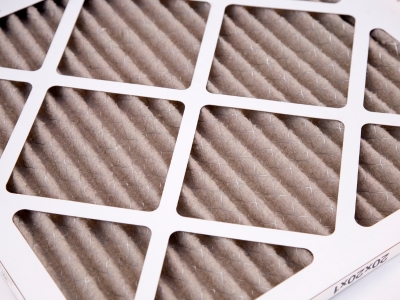 An HVAC system depends on a clean air filter to keep dust and debris away from sensitive components. When a filter becomes clogged, airflow drops, and the system must work harder to move the same amount of air, reducing energy efficiency and increasing wear. Most homes benefit from air filter replacement at least every three months, and even more often in households with pets or allergy sufferers.
Regularly changing the air filter supports better indoor air quality by trapping pollen, dander, and other particles instead of recirculating them through living spaces. Steady airflow also helps maintain more consistent room temperatures and lowers strain on the blower motor and heat exchanger. Over time, that lighter workload can extend the life of both the heater and air conditioner while helping keep monthly utility costs under control.
Blocking or Closing Air Vents
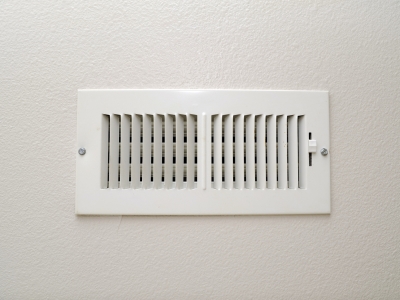 Closing supply registers or blocking air vents with furniture may seem like a way to redirect heating and cooling, but this habit often creates problems. When vents are shut, duct pressure rises, and conditioned air has fewer paths to escape, which can drive air back toward the blower and cause turbulence in the ductwork. The result is often uneven temperature distribution, with some rooms feeling stuffy while others stay uncomfortably cool or warm.
This imbalance can also increase mechanical stress on the system. Fans and compressors may run longer to overcome the inefficiency, contributing to higher energy bills and a greater chance of breakdowns. Keeping air vents open and unobstructed allows air to flow as the system was designed, improving comfort and reducing unnecessary strain.
Skipping Maintenance
Another costly habit is postponing scheduled heating and air conditioning maintenance. Professional inspections and tune‑ups let technicians clean components, check refrigerant levels, test safety controls, and verify airflow. That attention helps equipment operate at peak energy efficiency and can uncover small issues before they lead to major repairs.
Consistent AC maintenance and furnace service support a longer system lifespan, fewer surprise breakdowns, and more reliable comfort through every season. Routine care also contributes to healthier indoor air quality, since clean coils, drain lines, and filters are less likely to harbor dust or biological growth. Regular visits from a qualified HVAC professional enhance safety as well, by checking for gas leaks, electrical issues, and other hazards that might otherwise go unnoticed.
About Carmine's Plumbing, Heating & Air Conditioning
Carmine's Plumbing, Heating & Air Conditioning is an A+ BBB-rated plumbing and HVAC company proudly serving Danbury and the neighboring communities. They offer 24/7 emergency service from NATE-certified technicians, along with upfront pricing and the latest technology. Call them today for heating services in Danbury, CT.
)
Distribution Links +
- htv10.tv
- metro.newschannelnebraska.com
- southeast.newschannelnebraska.com
- northeast.newschannelnebraska.com
- panhandle.newschannelnebraska.com
- rivercountry.newschannelnebraska.com
- lifestyle.mykmlk.com
- lifestyle.3wzfm.com
- lifestyle.thepodcastpark.com
- lifestyle.680thefan.com
- lifestyle.xtra1063.com
- lifestyle.rewind1019.com
- lifestyle.us983.com
- lifestyle.countrylegends1059.com
- lifestyle.967wshv.com
- lifestyle.1045thedan.com
- lifestyle.capitalcityrock.com
- lifestyle.current943.com
- lifestyle.thedam.fm
- lifestyle.pierrecountry.com
- lifestyle.q923radio.com
- lifestyle.kynt1450.com
- lifestyle.all80sz1063.com
- lifestyle.myeaglecountry.com
- atlanta.newsnetmedia.com
- augusta.newsnetmedia.com



)
)
)
)
