A Guide to Air Conditioning Replacement

Important AC Replacement Basics to Know

An air conditioner that once kept a home cool and comfortable does not last forever, and recognizing when the system has reached the end of its useful life is the first step toward making a smart air conditioner replacement decision. Understanding the benefits that come with a new installation, as well as the differences between the system types available today, helps property owners move forward with confidence rather than uncertainty. The path from a struggling old unit to a reliable, efficient new system starts with knowing what to look for and what to expect along the way.

Signs to Replace an Air Conditioner
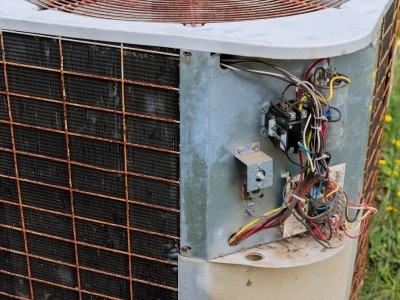
hvac Age is one of the most telling indicators that an air conditioner is approaching the end of its service life, and units that have been running for more than ten years often begin showing signs of decline even with regular maintenance. As internal components wear down, the system has to work harder to produce the same level of cooling it once delivered with ease, and that extra effort shows up in the form of rising energy bills month after month. An old, inefficient AC unit consuming more electricity just to keep up is a clear signal that the cost of continuing to run it is beginning to outweigh the cost of replacing it.

Frequent repair calls are another strong indicator that a replacement conversation is worth having. A system that needs a new part or a service visit every season is not just inconvenient but increasingly expensive to keep operational, and those repair costs accumulate quickly. When the combined expense of ongoing repairs starts approaching what a new unit would cost, continuing to patch the old system stops making financial sense.

Uneven cooling, unusual noises, poor airflow, and the system struggling to reach the set temperature even on moderate days are all signs that the equipment is no longer performing at the level a home demands. These symptoms can sometimes point to specific repair needs, but in an aging system, they more often reflect a broader decline in overall capacity and efficiency. A qualified HVAC technician can assess whether the issues are worth repairing or whether a full replacement is the more practical path forward.

Advantages of Replacing an Old AC Unit

A new air conditioner installation brings with it a level of energy efficiency that older units simply cannot match, thanks to advances in compressor technology, refrigerant systems, and variable-speed components that have reshaped what modern cooling equipment can do. Higher efficiency ratings translate directly into lower monthly cooling costs, meaning the new system begins generating savings on energy bills from the very first season of operation. Over time, those savings compound, and the investment in a new unit starts paying for itself in ways that go beyond comfort alone.

Fewer repair costs are one of the more immediate financial benefits of replacing an aging system with new equipment. A new air conditioner covered by a manufacturer's warranty removes the unpredictability of repair expenses that come with an older unit, and modern systems are engineered to operate reliably with proper maintenance for many years. The peace of mind that comes from knowing the equipment is new, warrantied, and functioning at peak capacity is a benefit that extends well beyond the dollar figures.

Replacement also creates an opportunity to reassess whether the current system is properly sized for the space it is cooling. An undersized unit struggles to meet demand, while an oversized one cycles on and off too frequently and fails to properly dehumidify the home. Working with an experienced HVAC professional to select correctly sized replacement equipment ensures that the new system delivers the enhanced comfort and consistent performance that the old one may never have fully provided.

Choosing a Type of AC System
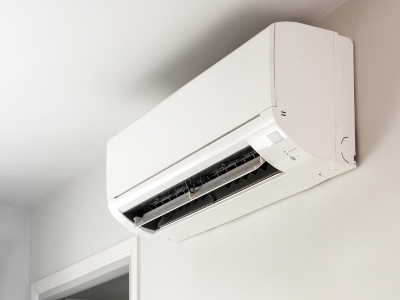
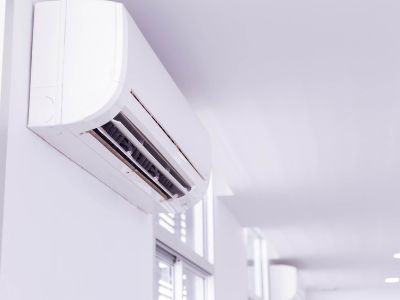
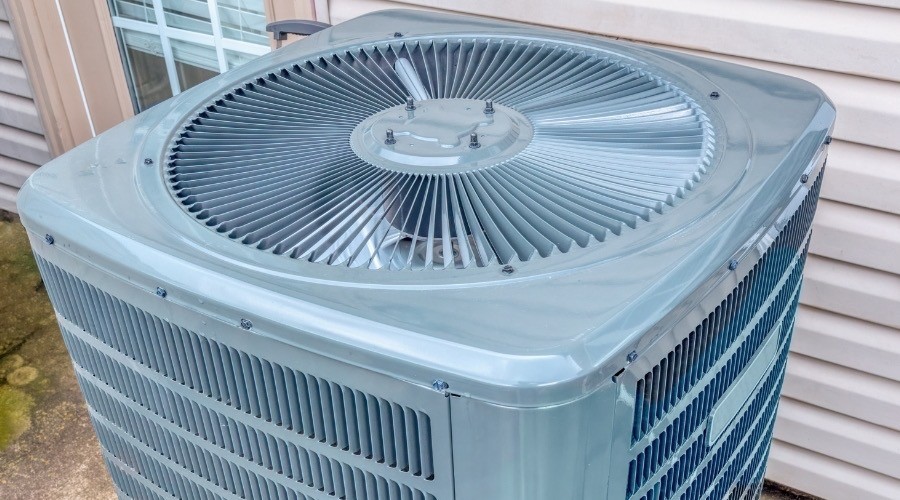
ac When the time comes to replace or install an air conditioner, the choice most homeowners face is between a central air conditioning system and a ductless mini-split system, and both options carry distinct advantages depending on the property and its priorities. Central air distributes conditioned air through a network of ducts and vents, while a ductless mini-split delivers cooling directly to individual rooms or zones through wall-mounted indoor air handlers connected to an outdoor compressor. Knowing the strengths and trade-offs of each system is what allows for a replacement decision that aligns with the home's layout, budget, and comfort goals.

Central air conditioning systems generally carry a lower installation cost, particularly in homes where existing ductwork is already in place and in good condition, as the new unit can connect directly to the infrastructure already built into the home. The ductwork and vents remain largely out of sight behind walls and ceilings, keeping the interior of the home looking clean and unobstructed. The trade-off is that central systems tend to come with higher monthly operating costs, as conditioned air moving through ducts can lose energy through leaks and poor insulation along the way.

Ductless mini-split systems take a different approach, delivering conditioned air more directly and efficiently without the energy losses associated with ductwork, which results in lower monthly energy bills over the life of the system. The absence of duct requirements also makes mini-splits a practical solution for homes without existing ducts, room additions, or spaces that are difficult to reach with traditional ducted systems. The upfront installation cost is typically higher than that of a central system, but the added benefit of zone-by-zone temperature control, which allows different rooms to be set to different temperatures based on occupancy and preference, gives mini-splits a level of flexibility and long-term efficiency that many homeowners find well worth the investment.

About Carmine's Plumbing, Heating & Air Conditioning

Carmine's Plumbing, Heating & Air Conditioning has over 30 years of local experience in Danbury, CT, and beyond. They offer upfront pricing, on-time arrival, and the latest technology. Call them today for AC installation and replacement in Danbury, CT.

Understanding Air Conditioning Basics

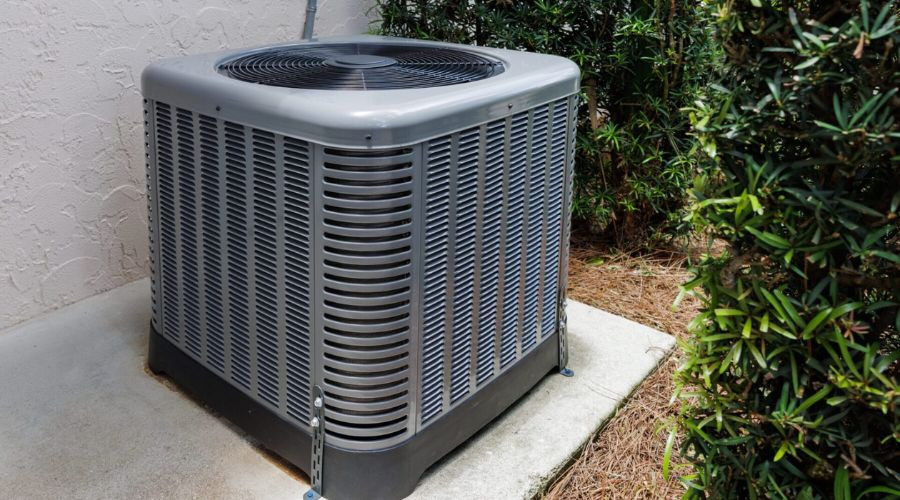
Gray air conditioning unit on concrete base near building with greenery, by Carmine's Plumbing, Heating & Air Conditioning.

Air Conditioning:101 

Kids are officially headed back to school! While most homeowners are no longer in classrooms, that doesn’t mean they shouldn’t take some time to learn every chance they get. Owning a home is a complex task, and no one should pass up on the opportunity to gain knowledge that will make their responsibilities easier. 

One of the deficiencies that most homeowners have is a need for more knowledge about their air conditioning system. Not understanding how they work or what type of system is in a home can lead to problems when it comes time to diagnose issues and schedule repairs. This article is a quick refresher on all types of residential air conditioners. Reading this guide should equip homeowners to understand their system, spot the signs of trouble, and grasp the importance of seasonal AC maintenance. 

Most Common Types of Air Conditioners

home ac There are two main types of air conditioners found in homes: central air conditioning and ductless mini-split air conditioning. The first is the most common, while the second is the fastest-growing choice for new installations and retrofits. For homeowners to know how to operate their system and understand how it works, it is necessary to determine which type is present in the home. 

Central air conditioning is used to cool most homes in the US. The hallmark of these systems is the ducts routed around the home to convey cooled air. A central blower is used for heating and cooling, pushing air around the home to simultaneously adjust the entire home’s temperature. 

Ductless mini-split air conditioners take a less conventional approach to home comfort. Instead of heating or cooling the entire home at once, chilled refrigerant is piped to individual cooling heads that control a zone of the home. This allows users to reduce their overall energy usage by only cooling the currently occupied zones and allowing users to control their zones more accurately according to their preferences. 

Signs That AC Repairs Are Needed

home ac Regardless of the type of system that a home has, there will come a time when it will need repairs. Spotting the early signs that air conditioner repairs are needed can help homeowners avoid wasting time, sweating it out, and paying for expensive emergency services. Some of the indications that the AC unit must be checked are: 

  • Loud noises coming from the blowers or cooling heads of mini-splits
  • Poor indoor air quality, including high humidity
  • Loss of cooling power
  • High utility bills
  • Long cooling cycles
  • Loss of power to the unit 

Protect Air Conditioners With AC Maintenance

To prevent costly AC repairs, contractors and manufacturers recommend air conditioner maintenance once per year on the cooling system. When professionals are allowed to inspect and adjust the air conditioner annually, homeowners will notice improvements in efficiency and a distinct lack of need for repairs. 

To maximize the value of annual air conditioner maintenance, homeowners should also take the time to replace air filters every three months. This prolongs the life of the equipment, protects the air quality inside the home, and prevents the buildup of dust and grime in the air conditioner. 

About Carmine’s Plumbing, Heating & Air Conditioning

Carmine's Plumbing, Heating & Air Conditioning handles AC repairs for home and business owners. Their NATE-certified specialists offer the highest level of service available during emergencies or regular repairs. Call today for AC maintenance or repairs in Danbury, CT.

Distribution Links +

Air Conditioning 101 for the Back-To-School Season

outdoor AC condenser units

Learn the Basics of Your Home's Air Conditioner System

August is back-to-school season, so it's time to prepare the kiddos for success as they head back to the classroom. But even if summer break is over, the hot summer weather isn't - the air conditioner still has plenty of work to do before fall. As the kids head off to school, what better time for homeowners to learn a little about their air conditioners?

Homeowners who understand their air conditioning system's basic ins and outs are better equipped to identify problems early and keep their systems running smoothly and efficiently. This can mean lower energy bills, fewer repairs, and greater peace of mind. So this article will lay out what every homeowner should know about their AC!

ductless mini split

The Most Common Types of Air Conditioners

Two main types of air conditioning systems are central AC and ductless AC. Both central and ductless systems utilize a series of fans and copper coils filled with liquid refrigerant to capture heat energy from indoor air and release it into the great outdoors. Still, there are key differences between the two systems.

Central air conditioning involves one main unit (more specifically, an indoor air handler unit to cool the indoor air and an outdoor condenser unit to release the heat into the outdoors). This central unit circulates air throughout the home using a network of air ducts and vents.

On the other hand, ductless air conditioner systems involve several smaller units installed throughout the home - typically one for each room that requires air conditioning. These systems require no air ducts because the indoor unit blows cold air directly into the room in which it's installed. These are often referred to as "ductless mini-split air conditioners."

Central AC systems tend to be more discreet since the ducts are hidden behind ceilings, walls, or floors, while ductless systems feature visible units mounted on the walls. Ductless systems are often more efficient since one can control the temperature room-by-room, and cool air doesn't have to travel through ducts in uninsulated areas like attics. However, other factors such as ease (and cost) of installation, home layout, and the household's individual needs play an important role in deciding what type of system to install.

Signs an Air Conditioner May Need Repairsbad AC signs

Despite their differences, central and ductless AC systems exhibit similar symptoms when something goes wrong. For instance, air conditioners tend to be the single biggest source of energy consumption in the home, so when the energy bills are unusually high, it often indicates that a malfunction of some kind is hampering the AC's efficiency.

Some of the more obvious signs that the AC needs repairing include:

  • Unusual noises coming from the unit (such as banging, hissing, or metallic screeching)
  • Unpleasant odors (such as a mildewy, musty, or burning smell)
  • Weak airflow
  • Warm air coming from the registers

Still, the house never reaches the correct temperature. While these symptoms usually point to an issue with the unit itself, they can also be caused by old or damaged ductwork or even something as simple as a dirty air filter.

Understanding AC Maintenance

Knowing when to call for air conditioner repair will allow homeowners to address problems before they escalate and cause further damage to the unit. Still, one can avoid most problems altogether with routine maintenance.

A typical maintenance visit from an AC service professional involves:

  • A thorough inspection and cleaning of the unit
  • Testing of electrical components and safety devices
  • Recharging the refrigerant lines
  • Lubricating fan bearings
  • Calibrating the thermostat

It's best to schedule professional AC maintenance once yearly before summer's heavy workload. Annual maintenance will mitigate wear and tear, extend the unit's lifespan, improve energy efficiency, and reduce the likelihood of costly problems and breakdowns.

While professional service visits are indispensable, there's one vital maintenance task that homeowners can handle themselves - changing the air filter. Replacing the air filter regularly will help ensure proper airflow to and from the unit, allowing it to function at peak efficiency. It's generally recommended to replace the filter every 3 months. Still, some homeowners may find that more frequent changes are necessary, particularly if they have more than one furry friend living in the house!

About Carmine's Plumbing, Heating & Air Conditioning

Carmine's Plumbing, Heating & Air Conditioning has proudly served the Danbury community for over 30 years. As an award-winning and BBB-accredited local business, they always provide up-front pricing and fast turnarounds and do everything in their power to ensure every customer is satisfied. They also offer rewarding maintenance plans and 24/7 emergency service, so don't hesitate to call Carmine's for air conditioner repair and maintenance in Danbury, CT!

Air Conditioning 101: Going Back to Basics

Woman working at a desk with open notebook and pen in one hand while using a laptop with the other hand

Take a Course in AC Essentials 

To enjoy air conditioning, no one has to know Willis Carrier's "Apparatus for Treating Air" history. As the summer creeps on and the temperatures and humidity continue to climb, there is nothing more fundamental to day-to-day comfort than the good old AC unit. There is a great deal to know about this hugely important piece of machinery. As modern technology, in general, continues to improve by leaps and bounds, so too does the HVAC (Heating, Ventilation, and Air Conditioning) industry. There are many more options out there than before, and there are things to consider even beyond solely the home's temperature. 

Air Conditioning Technology 

At one time, the window unit was the epitome of air conditioning technology. The industry has come a long way, and now most places have what is generally referred to as central air, but professionals would call a traditional HVAC system. One of the latest trends in the HVAC world is what is known as ductless HVAC or mini-splits. Both of these systems have strengths and weaknesses, and customers should keep in mind that the newest is not always the best choice for their particular home. 

Traditional HVAC:

  • Strengths: best at cooling large spaces to a single temperature, advanced filtering for clean air, a wider range of replacement, and service options as it is a well-established form of cooling.
  • Weaknesses: tends to lose efficiency through ducts(higher energy costs), all rooms are subject to a single thermostat, lurking problems in the ducts can threaten air quality.

Ductless HVAC/Mini Splits:

  • Strengths: easy to install in homes with no previous ductwork. Highly efficient (money-saving), allows for the creation of temperature zones within the home to maximize efficiency, less invasive, no ducts to gather lingering pollutants.
  • Weaknesses: tubing on the outside of the home may affect home aesthetic, initial expense, less robust filters.

Pop Quiz: Signals for AC Repairhvac

Air conditioners tend to give very clear signs that something is wrong before they completely go kaput. Look for these signs to indicate whether or not an HVAC system needs a check-up.

  • Strange noises: Clanging, banging, or hissing can indicate a problem worth calling a technician for. Allowing this to occur can further damage the unit.
  • Not keeping up with high temps: If the unit does not seem to be cooling as well as it once did, there may be reason to believe that there is an issue with the refrigerant, its tubing, or the filters.
  • Leaks: Water collecting in places the homeowner wouldn't expect can be due to a problem with the HVAC unit.

air quality

Testing IAQ IQ: The Importance of Indoor Air Quality

Along with concerns from the physical problems that can come from overheating, one area of concern that is rarely discussed in the average HOA meeting is the issue of IAQ or Indoor Air Quality. When people think about pollution, they tend to think about it being outdoors, but due to the changing nature of society and how it functions, as things move to be more indoors, the problem of pollutants comes right along with it. While the immediate effects of poor indoor air quality may seem minor and tend to affect only those with prior health conditions, there are long-term effects from extended exposure to certain pollutants. 
The EPA has removed many contaminants that cause long-term problems, such as asbestos and lead. Still, one cannot entirely remove some types of pollutants, and human exposure is inevitable. This is why indoor air quality is so important. If a home has proper ventilation and filtering, the HVAC system can clean the air and provide a safe environment for the home's residents. 

About Carmine's Plumbing, Heating & Air Conditioning 

With 24-hour emergency service and a reputation as the fastest plumbers in town, it is hardly a wonder that Carmine's Plumbing, Heating & Air Conditioning has been in business in Connecticut for more than 30 years. Their flat-rate pricing and wide range of services make them the top choice for homeowners in Danbury, CT. Call now for AC repair!

What Tools do Heating And Air Conditioning Professionals Use?

Yellow leather tool belt with adjustable wrench, pliers, hammer, tape measure, coiled wire, and screw driver bits arranged on wooden surface

Using the Right HVAC Tools is Important

Whether it’s for an emergency furnace repair job or preventative maintenance on an air conditioning unit, HVAC technicians keep a number of different tools in their trucks at all times.

Some tools are basic essentials that everyone has in toolboxes at home; others are more specialized for HVAC systems. Read on to learn about the HVAC tools professionals use for HVAC or boiler repair, installation, and everything in between.

The Essentials Toolkit

As with most home contractor jobs, the essentials listed below are important tools that most people have right in their own home toolboxes. A few of the most important essentials that HVAC technicians take with them to all jobs are:

  1. essential toolsScrewdrivers: Different systems will have different sizes and styles of screws, so it’s important that HVAC techs have a variety of sizes for both Phillip’s and flathead screwdrivers.
  2. Wrenches: Like screwdrivers, most techs will have multiple sizes of crescent wrenches on hand. It can also be useful to have a few pipe wrenches.
  3. Flashlight/Headlamp: HVAC systems and ducts are usually in dark, cramped spaces. Bringing light is essential for techs in order to properly assess and repair.
  4. Pliers: Pliers are another toolset that techs will bring with multiple sizes and types so that they can easily cut through wires, bolts, or pipes.
  5. Hammer: The tech will probably bring a hammer with them, which is multipurpose and can be used in a variety of different jobs.

More Specialized Tools

In addition to the tools above, and depending on the job, HVAC techs may also need a few more specialized tools in their belts like power drills. These tend to be used in more complex HVAC reparations.

specialized tools

Some examples are:

  1. Thermometer: Determining the effectiveness of a system often comes down to its ability to control temperatures, so HVAC techs will bring a high-quality professional thermometer with them to check and monitor the system’s effectiveness.
  2. Multimeter: Multimeters check and confirm where and how much electricity is (or is not) present. This is important for checking the power of the system, and keeping techs safe while they work.
  3. Leak detector: These detectors confirm when moisture is present within the home’s HVAC system--something that can’t always be seen with the naked eye. Moisture indicates a leak so that techs know what to look for, and where.
  4. Pumps: Once the presence of moisture is confirmed, it needs to be removed using a pump.
  5. Psychrometer: This tool measures airflow, air mixtures, and reads relative humidity.

Tools for Safety Precaution

In addition to the tools needed to complete the job, HVAC techs need certain equipment for safety precautions. Hiring an HVAC professional that uses proper safety equipment is important--it shows that they understand the seriousness of their job, and will take the necessary precautions when working on a home’s systems. Some important safety equipment is:

  1. safety precautionGoggles: Dust and debris are common during HVAC repairs, so safety goggles are important to ensure techs can see what they are doing throughout the job.
  2. Earmuffs: Using power tools over an extended period of time can damage hearing, so techs will use earmuffs as a safety precaution to protect their ears.
  3. Earplugs: Sometimes techs have to get in tight spaces to complete work. Using earplugs instead of ear muffs can be more practical at those times.
  4. Gloves: Cutting through metal and working with hot and cold temperatures mean HVAC techs need to protect their hands. Safety gloves are an important precaution that techs will absolutely bring with them to any job.
  5. Proper shoes: As with most home contractors, HVAC techs wear steel-toed boots to protect their feet.

HVAC work can be dangerous, which is why licensed technicians take these important safety precautions. In addition to the safety equipment they bring to each job, they also bring important training and knowledge in order to complete jobs without hurting themselves, or the system and home.

About Carmine's Plumbing, Heating & Air Conditioning

Carmine's Plumbing, Heating & Air Conditioning provides accurate and fast service to customers in Danbury and surrounding areas. With licensed professionals available 24-hours a day, they’ll bring the right tools to repair any home’s plumbing, heating, and air conditioning systems right away.