Prevent Wintertime Plumbing Problems With These Tips

Suburban house with a manicured lawn, pumpkins, and autumn trees, showcasing home comfort and safety solutions.

Winter Plumbing Guidelines 

Owners have certain responsibilities they must take care of to ensure a property can thrive through every season. Winter weather can be hard on a home or commercial property, especially the plumbing. When temperatures plummet, the water in a pipe can freeze and expand. Sometimes, the plumbing fixtures the frozen pipe serves may lose water until they thaw. In the worst cases, frozen pipes can rupture, allowing water to flood the space quickly. 

The resulting damage can be far more inconvenient and expensive than taking proactive steps to prevent frozen pipes. Here are some simple guidelines to help homeowners protect their plumbing when temperatures plummet.  

Add Pipe Insulation 

In general, most pipes should be installed where they are protected from freezing air. However, this generalization has some exceptions. In some commercial situations, there is no way to protect piping from the cold. Likewise, plumbing installed in attics, crawl spaces, and basements may be hidden away from sight but still be vulnerable. The best way to protect these pipes is to add insulation. 

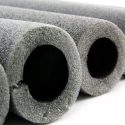
Pipe insulation is a foam or neoprene sleeve that can be slid onto exposed piping and taped shut. The project can be done by homeowners or plumbers as long they know where the vulnerable piping is located. If pipe insulation has been installed on pipes, it is a good idea to inspect it every fall to ensure it doesn’t need to be replaced. 

Crank up the Heat

Kitchen sink cabinet with open doors revealing plumbing pipes, emphasizing the importance of keeping pipes warm and accessible for insulation during cold weather.When pipes are installed in a property, one of the major assumptions regarding them freezing in the cold is that the property will be kept warm during the winter. Indeed, insulation in the walls of a home or business is only effective if the inside is kept warmer than the outside. If the pipes hidden in a property’s walls tend to freeze during the winter, the best way to protect them is to keep the home warmer by cranking up the thermostat. 

Ensure all pipes are kept warm and cabinets stay open during cold spells. This allows the warm air of the home to circulate near walls housing pipes so they stay warmer. Fans and space heaters can also help keep particularly vulnerable pipes warm when pointed at the pipes’ hidden path.  

Disconnect Outdoor Plumbing 

Outdoor faucet with a connected green hose, illustrating the importance of disconnecting hoses to prevent frozen pipes during winter.Outdoor plumbing is one of the biggest culprits for frozen pipes. This is usually because owners forgot to protect hoses and hose bibs before the first freeze. To properly winterize hoses and spigots, hoses should be disconnected and drained. Drape the hose over a high point and pull the entire length of the hose along this point to drain it. Cover hose bibs with special foam covers to prevent cold air from pouring into the interior plumbing. By taking these steps, owners will avoid the risks of frozen pipes. 

About Carmine’s Plumbing, Heating & Air Conditioning

Carmine’s Plumbing, Heating & Air Conditioning serves home and business owners. They promise quality workmanship on plumbing and HVAC projects. Their NATE-certified technicians provide 24/7 emergency services and flat-rate pricing. Call today for quality plumbing services in Danbury, CT. 

How To Prevent Frozen Pipes This Winter

Gray foam pipe insulation tubes for HVAC and plumbing projects at Carmine's Plumbing, Heating & Air Conditioning.

Use These Pro Tips To Make Sure the Home’s Pipes are Ready for Winter!

Autumn is already halfway over, and temperatures drop faster than the changing leaves. Soon, winter will be in full swing, so it’s time for homeowners to protect their plumbing systems against the dangers of freezing temperatures. One of the most common problems caused by cold weather is frozen water pipes - and it can also be among the most destructive. So this article will share the most effective ways homeowners can prevent freezing pipes - and why it’s so important.

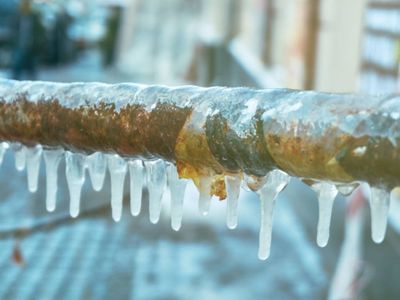
The Dangers of Frozen PipesIcicles hanging from a frozen metal pipe, illustrating the dangers of frozen pipes in winter and the importance of plumbing maintenance.

Frozen pipes are dangerous for several reasons. When the water inside a supply pipe freezes, faucets, and other fixtures will lose water pressure, which is inconvenient. Worse, the ice will also expand inside the pipe, which can damage the pipe or even cause it to burst.

Burst pipes can unleash a torrent of water into the home and cause extensive damage and flooding in a very short period. The consequences of bursting pipes can include water damage, mold growth, foundation problems, compromised structural integrity of the home, and an increased risk of electric shock.

If a burst pipe goes undetected and the home’s main water valve isn’t shut off immediately, the scale of the damage can be devastating. This usually occurs when homeowners are out of town for the holidays. This is why it’s so vital that homeowners take steps to protect their pipes.

Hands applying polyethylene foam pipe insulation around copper water pipes, demonstrating preventive measures against freezing and water damage in homes.

How Pipe Insulation Helps Prevent Freezing

The most powerful tool homeowners can use to prevent freezing pipes is pipe insulation. There are several different types and materials to choose from, ranging in price and effectiveness for specific applications. Polyethylene foam pipe insulation is the most popular due to its low cost and ease of installation. Other materials include rubber, fiberglass, mineral wool, and “foam and foil” pipe covering. These simply wrap around the home’s water supply pipes, forming a barrier against the air around them.

On top of preventing freezing, pipe insulation has various other benefits. It can help keep hot water hotter as it travels through the pipes, which can help homeowners save money on energy by reducing the amount of hot water they need to use and even allowing them to turn down the water heater’s thermostat. Pipe insulation can also prevent condensation on cold water pipes during warmer months, reducing the risk of rust and corrosion.

More Tips To Prevent Frozen Pipes

Installing pipe insulation is the best way homeowners can protect their pipes in the winter, but it’s not the only way to reduce the freezing of pipes. Homeowners can also add insulation to areas where pipes are located, such as attics, basements, and crawl spaces, to help regulate the temperature around the pipes.

On particularly cold nights, it’s also a good idea to leave faucets on at a slow drip. This will keep water moving (making it less likely to freeze) and help alleviate pressure in the pipes to prevent bursting. It’s also a good idea to keep the home’s heater on so that more radiant heat can reach pipes in the home’s perimeter walls. If homeowners go out of town, it’s best to leave the home’s thermostatatn at 55 degrees or higher to keep the home warm enough to prevent freezing.

Finally, homeowners would do well to have a professional plumber winterize theirhomese. This involves draining and shutting off water to outdoor plumbing that cannot be insulated, such as irrigation systems and hose bibs - which virtually eliminates the risk of frozen pipes in the most vulnerable sections of the home’s plumbing.

Carmine’s Plumbing, Heating & Air Conditioning

The friendly experts at Carmine’s Plumbing, Heating & Air Conditioning have served the Danbury community for over 30 years. As a BBB-accredited local business with a reputation for reliability, quality, and outstanding customer service, it’s no surprise that Expertise.com voted them “Best in Danbury” in 2021. They offer financing, up-front pricing, and a rewarding membership program. Carmine’s NATE-certified technicians are also available 24/7 for emergency service, so call them any time for winterization and burst pipe repair in Danbury, CT!

How Can You Prevent Pipe Corrosion?

Rusty pipes with corroded interiors showcasing deterioration, relevant to Carmine's Plumbing services for home maintenance.

Understanding Plumbing Corrosion

Pipe corrosion is the process of material breakdown due to conditions of the environment. Pipes are subject to numerous types of corrosion from different sources, all just as damaging as the next. It's a nightmare for homeowners, and the plumbing experts left to make repairs and replace the pipes. 

When a pipe is corroded, metal sections may appear worn or eaten away. Pipes are exposed to several different types of corrosive materials. When pipes begin to corrode, the areas can give away without notice, leading to leaks, structural damage, and many other health hazards for anyone inside the home.

Can Protective Linings Help?

coatingCoatings and protective linings protect pipes against corrosive environments. A lining is a layer of material covering the inside surface of the pipes to protect them from a corrosive environment.

A coating is a material applied to the outer surface of the pipe to prevent external contaminants from entering inside. Coatings protect the outside surface of the pipe.

Experts recommend applying both coating and linings to pipes at-risk of corrosion. Several industrial coating and lining materials are available, including epoxy, polyurethane, and galvanization.

Leaky pipes can lead to mold and mildew damage, cracks in the foundation, excess utility costs, and other concerns for homeowners. After coating and lining pipes, leaks and worries about them become a thing of the past.

water heater

What Do Water Softeners Do?

Hard water is very unkind to the plumbing system. It may cause many problems, up to and including pipe corrosion, if the pipes are repeatedly exposed.

Hard water indicates the presence of calcium and magnesium from limestone, marble deposits, or chalk in the water supply. Limescale buildup occurs following repeated exposure to hard water, which leads to clogs and decreases water quality.

DIY options protecting against hard water exist, but most offer short-term fixes rather than long-term solutions. Homeowners who opt for DIY fixes often note the problem returns in weeks or months, if not sooner. 

A water softener works to remove calcium and magnesium deposits from the water. A softener helps prevent premature pipe corrosion -and gives water a more appealing look, feel, and taste. Most importantly, clogs, slow drains, and other problems that can severely damage the pipes subside after water softener installation. 

The Perks of Routine Care

A visit from a plumbing professional will help prevent pipe corrosion. During a maintenance visit, the plumbing technician looks for issues like corrosion and rectifies them before the problem worsens. 

Technicians can discuss the different pipe corrosion prevention options and help homeowners choose the best products for their needs. The plumber can then install the chosen corrosion prevention products for immediate benefits.

Plumbing maintenance also provides benefits like:

  • Prevent leaks
  • Improve water quality
  • Prevent clogs
  • Prevent limescale buildup/deposits

About Carmine's Plumbing, Heating & Air Conditioning

Carmine's Plumbing, Heating & Air Conditioning in Danbury, CT provides professional service from licensed, insured technicians dedicated to protecting the plumbing system and pipes against corrosion and other types of damage. Same-day service in hours is available. Call them to schedule plumbing service in Danbury, CT.