

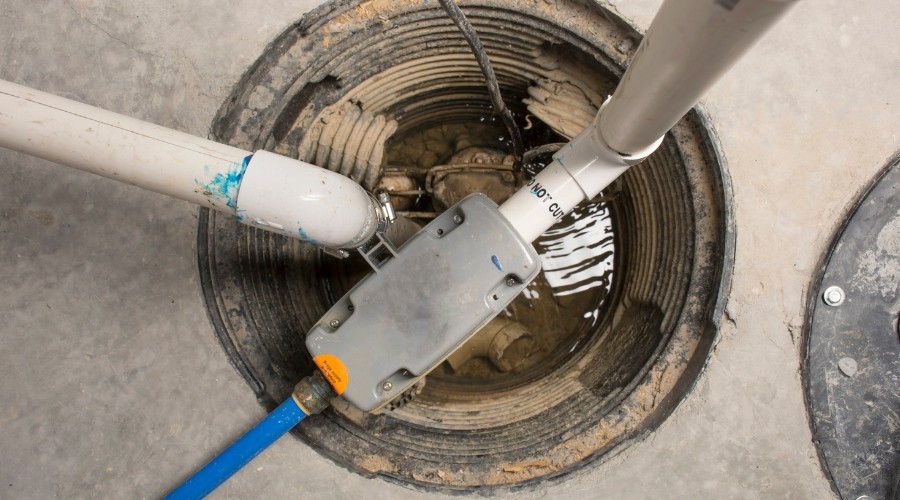
Working Sump Pumps Protect Homes From Flooding and Water Damage
With the arrival of spring comes snowmelt and frequent, heavy rainfall, which dramatically increase the risk of basement flooding. To help prevent flooding and the costly damage and consequences it can cause, having a fully functional, properly maintained sump pump is critical. This post will discuss sump pumps and their benefits, ways to ensure a sump pump continues to operate correctly, and why a secondary or backup sump pump installation may be necessary.
Sump Pumps and Their Benefits Explained
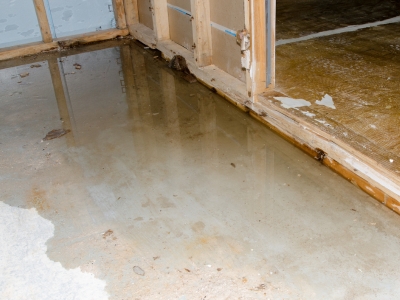 A sump pump is typically installed in the lowest area of a house, such as a basement or crawl space, inside a collection container known as a sump pit or basin. Its role is to collect surplus water that enters the pit and reroute it away from the building's foundation through a designated pipe. Once the water in the basin reaches a certain level, the float switch automatically starts the sump pump. For houses situated in low-lying areas or those susceptible to basement flooding or dampness, installing this equipment is paramount as it offers a critical layer of protection against the damaging effects of water intrusion.
The advantages of a reliable sump pump go beyond simply flooding prevention. By actively preventing water accumulation and flooding, the pump safeguards a property from expensive water damage to furniture, belongings, walls, flooring, and the home’s foundation. Furthermore, controlling excess moisture is key to preventing mold and mildew growth. Since mold compromises the integrity of building materials and poses significant health threats, particularly respiratory issues, a dependable sump pump is an excellent investment in both the home's structural health and the inhabitants' well-being.
How to Make Sure a Sump Pump Works Correctly
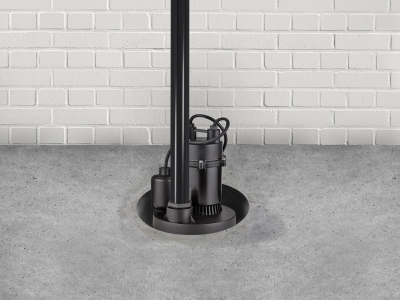 To maintain the reliability of their sump pump, homeowners should schedule regular inspections and sump pump maintenance. A plumber can thoroughly evaluate the sump pump system, reviewing components such as the check valve, discharge pipe, and more, looking for any signs of issues. These yearly assessments are crucial for detecting subtle issues that a simple manual test might overlook, allowing for prompt sump pump repair and ensuring the system operates at its optimal level to prevent sudden failures during critical weather events or when the sump pump is needed.
Between professional maintenance visits, homeowners should also regularly test their sump pumps to ensure they are operational before they may be needed to prevent flooding. This check should first include a visual examination of the sump pump basin and the pump intake to clear away any blockages or debris that could interfere with the pump's operation. Then, to verify the sump pump's operation, homeowners can pour enough water into the sump pit to activate the float switch. The pump should turn on automatically, expel the water in the pit, and then automatically switch off, confirming the motor and float mechanism are functioning properly. These simple at-home checks can help determine whether there is a problem that needs repair.
Why a Sump Pump Backup May Be Needed
A primary sump pump alone can leave a residence susceptible to flooding in certain situations, which is why a secondary sump pump or sump pump backup is important. The most common risk factor is a power failure, which can occur during severe storms that cause heavy rainfall and flooding. Since the main sump pump requires household electricity, having a backup, such as a sump pump battery backup, allows the sump pump to continue functioning during a power outage, ensuring water is actively removed even without electricity, thereby preventing flooding.
A main sump pump can also fail due to mechanical malfunction or simply be unable to handle the volume of water, even when power is available. In these cases, a backup system can provide reliable redundancy, taking over if the primary pump fails or if the incoming water exceeds its capacity. By installing a secondary pump, property owners gain confidence, knowing they have a necessary safeguard against flooding, protecting their home and avoiding the substantial expense of water damage cleanup and restoration.
About Carmine’s Plumbing, Heating & Air Conditioning
Carmine’s Plumbing, Heating & Air Conditioning has over 30 years of experience serving Danbury and the surrounding communities. They provide 24/7 emergency service, upfront pricing, and the latest technology. Call them for sump pump installation and services in Danbury, CT.
)
Distribution Links +
- https://go.chinesewire.com
- https://smb.bogalusadailynews.com
- https://smb.magnoliastatelive.com
- https://smb.orangeleader.com
- https://smb.panews.com
- https://smb.picayuneitem.com
- https://smb.lobservateur.com
- https://smb.panolian.com
- https://smb.americustimesrecorder.com
- https://smb.amnews.com
- https://smb.dailyleader.com
- https://smb.oxfordeagle.com
- https://smb.claiborneprogress.net
- https://smb.elizabethton.com
- https://smb.jessaminejournal.com
- https://smb.kenbridgevictoriadispatch.com
- https://smb.thesnaponline.com
- https://smb.clemmonscourier.net
- https://smb.harlandaily.com
- https://smb.state-journal.com
- https://smb.theinteriorjournal.com
- https://smb.winchestersun.com
- https://smb.farmvilleherald.com
- https://smb.salisburypost.com
- https://smb.cordeledispatch.com
- https://pr.washingtoncitypaper.com
- https://smb.theleesvilleleader.com
- https://pr.hattiesburg.com
- https://pr.walnutcreekmagazine.com
- https://pr.thembnews.com
- https://pr.boreal.org
- https://pr.timesofsandiego.com
- https://pr.millismedwaynews.com
- https://pr.naticktownnews.com
- https://pr.norfolkwrenthamnews.com
- https://pr.hollistontownnews.com
- https://pr.rivertonjournal.com
- https://pr.holladayjournal.com
- https://pr.southjordanjournal.com
- https://pr.cottonwoodheightsjournal.com
 Some confusion surrounds heat pumps, and part of it concerns the name itself. The name heat pump doesn't tell even close to the whole story. This is because heat pumps can not only heat a home, but they can cool it as well.
  While heat pumps require less maintenance than central air systems, they require some maintenance. And with any system that requires maintenance, there could be times when the heat pump malfunctions. The trick is knowing when it's time for heat pump repair. The following signs are indications that it's time to call a professional for heat pump maintenance or repairs.
 )
