

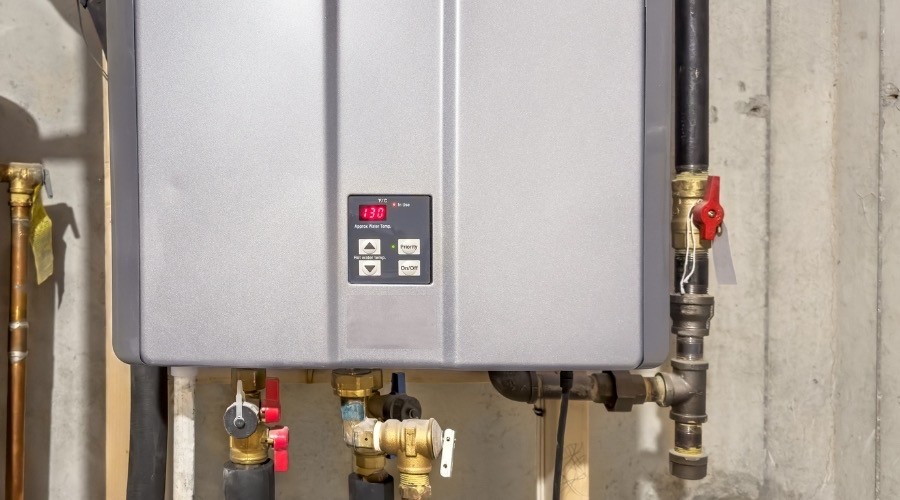
Why Install a Tankless Water Heater?
Making choices about household water heaters significantly impacts both daily comfort and long-term property value. For decades, residential buildings relied on bulky machinery to keep water warm, often resulting in significant energy waste and limited supply during peak mornings. Transitioning to modern plumbing technology solves these dilemmas by restructuring how energy is consumed. Property owners who make the switch to a tankless water heater can enjoy immediate advantages, including lower monthly costs and a continuous supply of warm water.
What Is a Tankless Water Heater and How Does It Work?
A tankless water heater is an innovative, wall-mounted appliance engineered to heat water instantly as it moves through the plumbing network. This stands in sharp contrast to a traditional storage-tank water heater, which relies on a massive, heavy drum to hold 40 or 50 gallons of water at a constant high temperature. While the older style requires a designated utility closet to accommodate its bulky frame, the modern alternative operates entirely without a reservoir, occupying a fraction of the space.
The underlying process relies on immediate action rather than long-term storage. The moment a household member opens a hot tap, cold liquid races directly into the compact plumbing unit. Internal flow sensors instantly recognize this movement, triggering a powerful heating mechanism powered by gas burners or electrical coils. As the liquid snakes through a specialized internal pipe system, heat transfers directly into the stream, warming it to the exact desired temperature in a matter of seconds. This seamless mechanism ensures that warmth reaches the destination without relying on a pre-heated hot water tank.
Benefits of Installing a Tankless Water Heater
 Installing a tankless water heater can bring a variety of benefits to any household. The most noticeable financial advantage is superior energy efficiency, which directly lowers monthly utility expenditures. Traditional setups experience constant heat loss because the storage water heater must cycle on and off throughout the day to keep the large water heater tank warm, even when the house is empty. Because the modern alternative operates purely on demand, it consumes zero fuel when the faucets are closed, preventing unnecessary energy waste.
In addition to financial relief, this upgrade completely redefines convenience by delivering endless hot water on demand. In households equipped with a standard storage model, back-to-back showers easily drain the available supply, forcing the next family member to wait around for the system to refill and recover slowly. The modern design eliminates these scheduling conflicts by sustaining a steady stream for as long as necessary. Furthermore, the sleek, suitcase-sized exterior frees up valuable square footage in basements or laundry areas, while the durable internal engineering provides an operational lifespan that frequently doubles that of a standard reservoir unit.
Signs It's Time to Replace an Existing Water Heater
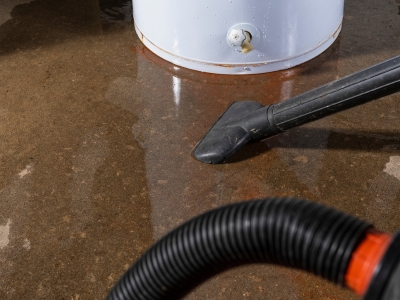 Remaining vigilant about the condition of basement appliances can prevent minor mechanical glitches from turning into major household disasters. A primary indicator of trouble is a visibly leaking water heater, a symptom that usually points to a compromised internal structure or structural fractures. Homeowners should also check the condition of their plumbing lines, as a corroded water heater often releases rusty, discolored water into sinks and showers. When an appliance requires frequent repairs just to handle normal daily use, the accumulated plumbing bills are a clear sign of system failure. Finally, an old water heater that has exceeded the 10-year mark is simply running on borrowed time.
When these plumbing issues begin to multiply, investing in a comprehensive water heater replacement becomes the most practical path forward. Navigating this transition offers a perfect window for property owners to move beyond obsolete designs. Rather than installing another outdated holding tank, households can choose a tankless water heater, upgrading their property with a modern system tailored for efficiency and endless comfort.
About Carmine’s Plumbing, Heating & Air Conditioning
Carmine’s Plumbing, Heating & Air Conditioning provides trusted plumbing, heating, and air conditioning services with a focus on reliable repairs, installations, and maintenance. Known for 24/7 emergency service, flat-rate pricing, and NATE-certified technicians, the team delivers high-quality workmanship, fast response times, and dependable solutions backed by integrity, honesty, and exceptional customer care. Call for tankless water heater installation in Danbury, CT.
)
Distribution Links +
- https://go.chinesewire.com
- https://smb.bogalusadailynews.com
- https://smb.magnoliastatelive.com
- https://smb.orangeleader.com
- https://smb.panews.com
- https://smb.picayuneitem.com
- https://smb.lobservateur.com
- https://smb.americustimesrecorder.com
- https://smb.amnews.com
- https://smb.americanpress.com
- https://smb.dailyleader.com
- https://smb.bluegrasslive.com
- https://smb.claiborneprogress.net
- https://smb.jessaminejournal.com
- https://smb.kenbridgevictoriadispatch.com
- https://smb.thesnaponline.com
- https://smb.clemmonscourier.net
- https://smb.harlandaily.com
- https://smb.irontontribune.com
- https://smb.ourdavie.com
- https://smb.state-journal.com
- https://smb.thecharlottegazette.com
- https://smb.theinteriorjournal.com
- https://smb.tryondailybulletin.com
- https://smb.winchestersun.com
- https://smb.salisburypost.com
- https://smb.cordeledispatch.com
- https://smb.middlesboronews.com
- https://smb.thepostsearchlight.com
- https://pr.washingtoncitypaper.com
- https://smb.theleesvilleleader.com
- https://smb.prentissheadlight.com
- https://pr.hattiesburg.com
- https://pr.thembnews.com
- https://pr.boreal.org
- https://pr.timesofsandiego.com
- https://pr.chestercounty.com
- https://pr.wncbusiness.com
- https://pr.ashlandtownnews.com
- https://pr.millismedwaynews.com
- https://pr.norwoodtownnews.com
- https://pr.hopedaletownnews.com
- https://pr.naticktownnews.com
- https://pr.norfolkwrenthamnews.com
- https://pr.rivertonjournal.com
- https://pr.columbiabusinessmonthly.com
- https://pr.herrimanjournal.com
- https://pr.holladayjournal.com
- https://pr.wvcjournal.com
- https://pr.midvalejournal.com
- https://pr.southjordanjournal.com
- https://pr.cottonwoodheightsjournal.com
- https://pr.valleyjournals.com
 If the
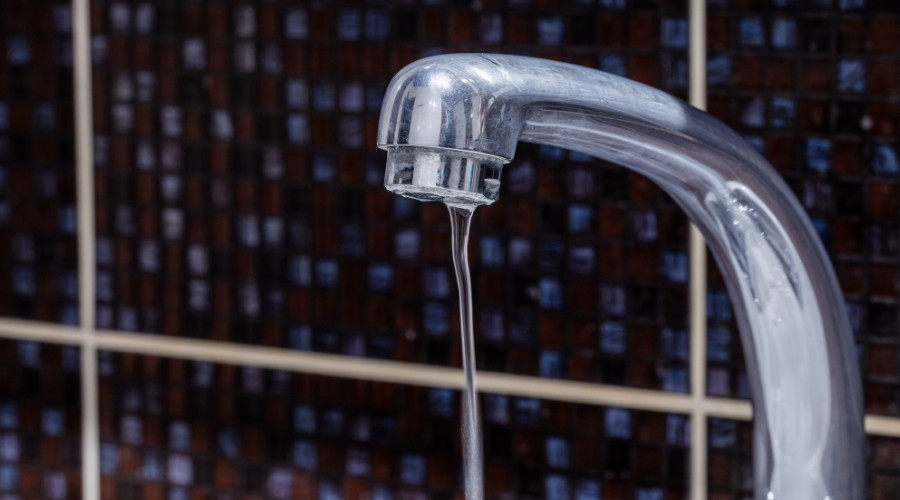
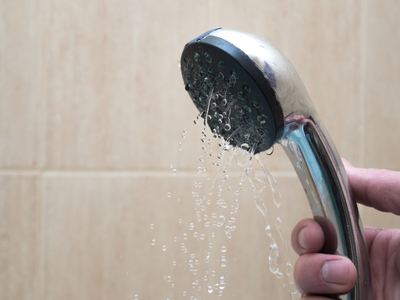
  A decrease in water pressure affecting all taps and fixtures in the house can also be a significant indicator of a leak in the water line. When water escapes through a water line leak or burst pipe, it diminishes the volume and force of the water that ultimately flows out of the fixtures.
)

 One of the most frustrating
 Traditional storage water heaters typically have a lifespan of around 10 to 15 years. So, if a unit has exceeded 10 years in service and begins experiencing issues, it’s often more cost-effective to replace it rather than continue with repairs. As a water heater ages, its internal components wear down, becoming more susceptible to breakdowns and less efficient in heating water. Investing in a new, more energy-efficient model can also lead to significant savings on utility bills in the long run.
)

 Adopting smart water-saving habits can dramatically reduce monthly water costs with minimal effort. Simple changes like turning off the tap while brushing teeth can save up to 8 gallons per day, while using a modern, efficient dishwasher to wash dishes can save more water than hand-washing. These
  Modern water-saving plumbing fixtures offer one of the easiest and smartest ways to reduce monthly water costs without sacrificing comfort. Low-flow showerheads can decrease water usage from the shower by up to 60% compared to traditional models while maintaining satisfying water pressure. Water-saving technology in plumbing fixtures has improved dramatically. Many water-efficient faucets now incorporate aerators that mix air with water, creating the sensation of good water pressure while using significantly less water.
 )
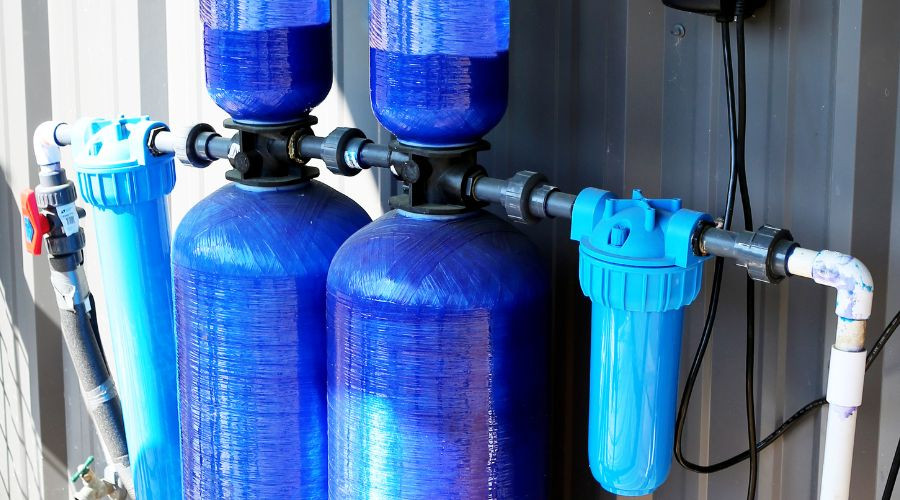
 Clean water is not just a right everyone should have; it is essential for health. Although the effects of contaminated water may not come immediately, consistent exposure could lead to long-term health effects. Those with compromised immune systems, such as the young, elderly, or diseased, are even more at risk.
)
