

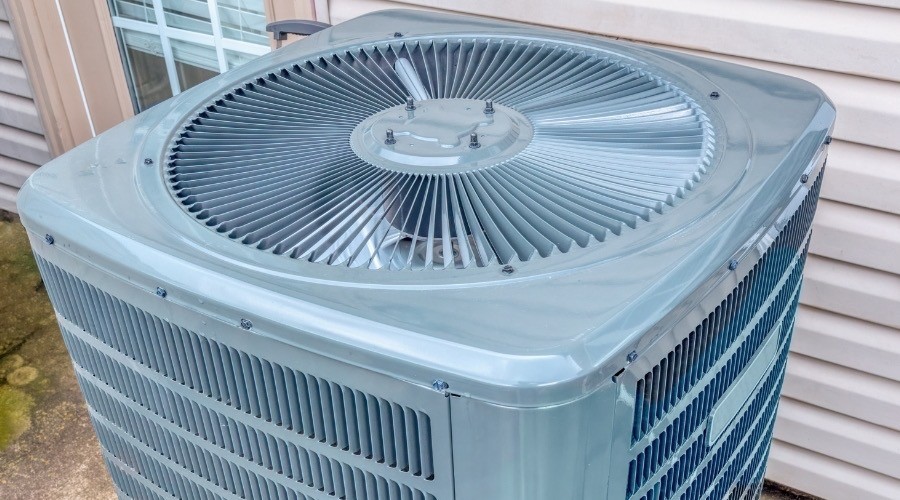
Important AC Replacement Basics to Know
An air conditioner that once kept a home cool and comfortable does not last forever, and recognizing when the system has reached the end of its useful life is the first step toward making a smart air conditioner replacement decision. Understanding the benefits that come with a new installation, as well as the differences between the system types available today, helps property owners move forward with confidence rather than uncertainty. The path from a struggling old unit to a reliable, efficient new system starts with knowing what to look for and what to expect along the way.
Signs to Replace an Air Conditioner
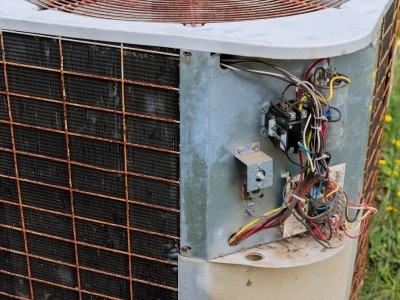 Age is one of the most telling indicators that an air conditioner is approaching the end of its service life, and units that have been running for more than ten years often begin showing signs of decline even with regular maintenance. As internal components wear down, the system has to work harder to produce the same level of cooling it once delivered with ease, and that extra effort shows up in the form of rising energy bills month after month. An old, inefficient AC unit consuming more electricity just to keep up is a clear signal that the cost of continuing to run it is beginning to outweigh the cost of replacing it.
Frequent repair calls are another strong indicator that a replacement conversation is worth having. A system that needs a new part or a service visit every season is not just inconvenient but increasingly expensive to keep operational, and those repair costs accumulate quickly. When the combined expense of ongoing repairs starts approaching what a new unit would cost, continuing to patch the old system stops making financial sense.
Uneven cooling, unusual noises, poor airflow, and the system struggling to reach the set temperature even on moderate days are all signs that the equipment is no longer performing at the level a home demands. These symptoms can sometimes point to specific repair needs, but in an aging system, they more often reflect a broader decline in overall capacity and efficiency. A qualified HVAC technician can assess whether the issues are worth repairing or whether a full replacement is the more practical path forward.
Advantages of Replacing an Old AC Unit
A new air conditioner installation brings with it a level of energy efficiency that older units simply cannot match, thanks to advances in compressor technology, refrigerant systems, and variable-speed components that have reshaped what modern cooling equipment can do. Higher efficiency ratings translate directly into lower monthly cooling costs, meaning the new system begins generating savings on energy bills from the very first season of operation. Over time, those savings compound, and the investment in a new unit starts paying for itself in ways that go beyond comfort alone.
Fewer repair costs are one of the more immediate financial benefits of replacing an aging system with new equipment. A new air conditioner covered by a manufacturer's warranty removes the unpredictability of repair expenses that come with an older unit, and modern systems are engineered to operate reliably with proper maintenance for many years. The peace of mind that comes from knowing the equipment is new, warrantied, and functioning at peak capacity is a benefit that extends well beyond the dollar figures.
Replacement also creates an opportunity to reassess whether the current system is properly sized for the space it is cooling. An undersized unit struggles to meet demand, while an oversized one cycles on and off too frequently and fails to properly dehumidify the home. Working with an experienced HVAC professional to select correctly sized replacement equipment ensures that the new system delivers the enhanced comfort and consistent performance that the old one may never have fully provided.
Choosing a Type of AC System
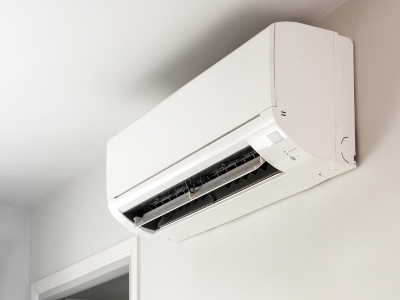 When the time comes to replace or install an air conditioner, the choice most homeowners face is between a central air conditioning system and a ductless mini-split system, and both options carry distinct advantages depending on the property and its priorities. Central air distributes conditioned air through a network of ducts and vents, while a ductless mini-split delivers cooling directly to individual rooms or zones through wall-mounted indoor air handlers connected to an outdoor compressor. Knowing the strengths and trade-offs of each system is what allows for a replacement decision that aligns with the home's layout, budget, and comfort goals.
Central air conditioning systems generally carry a lower installation cost, particularly in homes where existing ductwork is already in place and in good condition, as the new unit can connect directly to the infrastructure already built into the home. The ductwork and vents remain largely out of sight behind walls and ceilings, keeping the interior of the home looking clean and unobstructed. The trade-off is that central systems tend to come with higher monthly operating costs, as conditioned air moving through ducts can lose energy through leaks and poor insulation along the way.
Ductless mini-split systems take a different approach, delivering conditioned air more directly and efficiently without the energy losses associated with ductwork, which results in lower monthly energy bills over the life of the system. The absence of duct requirements also makes mini-splits a practical solution for homes without existing ducts, room additions, or spaces that are difficult to reach with traditional ducted systems. The upfront installation cost is typically higher than that of a central system, but the added benefit of zone-by-zone temperature control, which allows different rooms to be set to different temperatures based on occupancy and preference, gives mini-splits a level of flexibility and long-term efficiency that many homeowners find well worth the investment.
About Carmine's Plumbing, Heating & Air Conditioning
Carmine's Plumbing, Heating & Air Conditioning has over 30 years of local experience in Danbury, CT, and beyond. They offer upfront pricing, on-time arrival, and the latest technology. Call them today for AC installation and replacement in Danbury, CT.
)
Distribution Links +
- https://smb.orangeleader.com
- https://smb.panews.com
- https://smb.picayuneitem.com
- https://smb.americustimesrecorder.com
- https://smb.americanpress.com
- https://smb.dailyleader.com
- https://smb.oxfordeagle.com
- https://smb.bluegrasslive.com
- https://smb.elizabethton.com
- https://smb.jessaminejournal.com
- https://smb.kenbridgevictoriadispatch.com
- https://smb.thesnaponline.com
- https://smb.clemmonscourier.net
- https://smb.irontontribune.com
- https://smb.ourdavie.com
- https://smb.thecharlottegazette.com
- https://smb.theinteriorjournal.com
- https://smb.winchestersun.com
- https://smb.farmvilleherald.com
- https://smb.salisburypost.com
- https://smb.cordeledispatch.com
- https://smb.thepostsearchlight.com
- https://pr.washingtoncitypaper.com
- https://smb.theleesvilleleader.com
- https://smb.prentissheadlight.com
- https://smb.beauregardnews.com
- https://pr.boreal.org
- https://pr.walnutcreekmagazine.com
- https://pr.thembnews.com
- https://pr.timesofsandiego.com
- https://pr.wncbusiness.com
- https://pr.ashlandtownnews.com
- https://pr.franklintownnews.com
- https://pr.hopedaletownnews.com
- https://pr.naticktownnews.com
- https://pr.millismedwaynews.com
- https://pr.norfolkwrenthamnews.com
- https://pr.norwoodtownnews.com
- https://pr.rivertonjournal.com
- https://pr.columbiabusinessmonthly.com
- https://pr.midvalejournal.com
- https://pr.sandyjournal.com
- https://pr.southjordanjournal.com
- https://pr.valleyjournals.com
- https://pr.cottonwoodheightsjournal.com
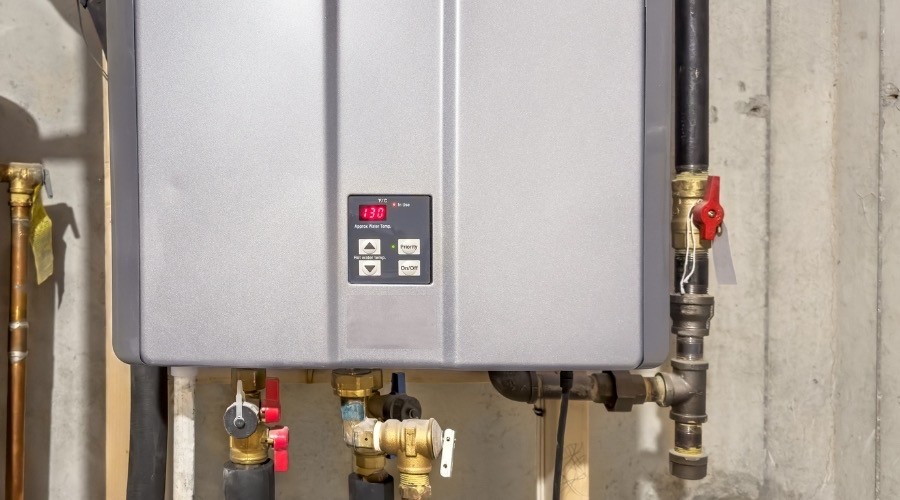

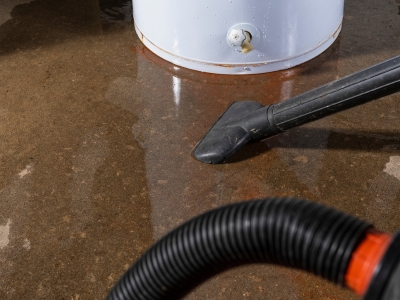 Remaining vigilant about the condition of basement appliances can prevent minor mechanical glitches from turning into major household disasters. A primary indicator of trouble is a visibly leaking water heater, a symptom that usually points to a compromised internal structure or structural fractures. Homeowners should also check the condition of their plumbing lines, as a corroded water heater often releases rusty, discolored water into sinks and showers. When an appliance requires frequent repairs just to handle normal daily use, the accumulated plumbing bills are a clear sign of system failure. Finally, an old water heater that has exceeded the 10-year mark is simply running on borrowed time.
)
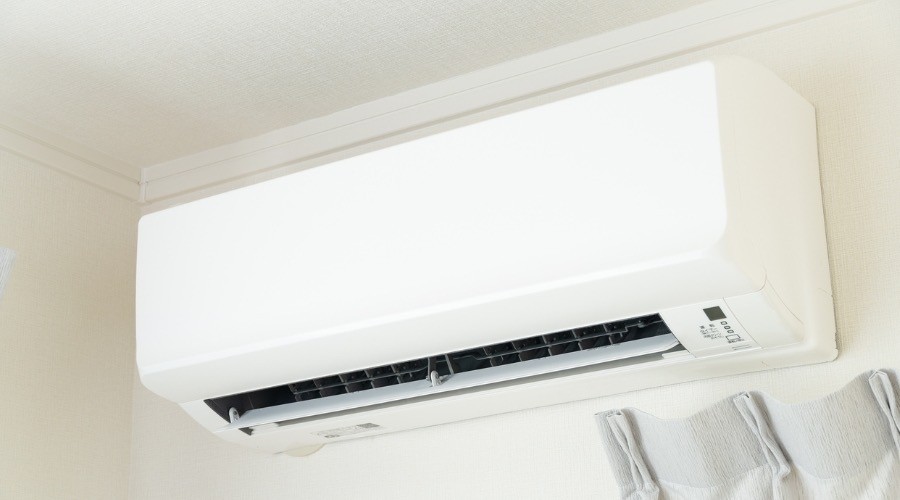
 One of the most compelling reasons to invest in a ductless mini-split air conditioner is the potential to noticeably lower energy bills. These systems are designed with
  One of the
 )
 A
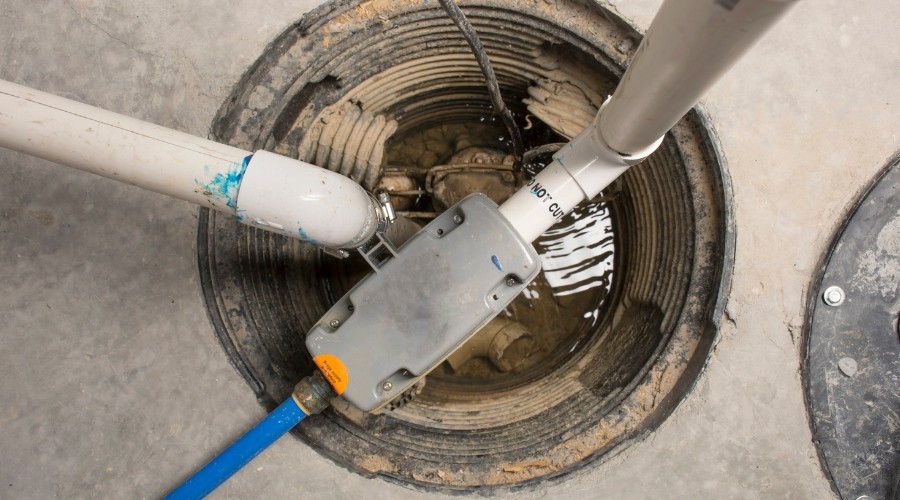
A 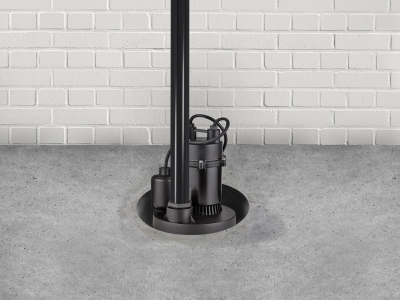 To maintain the reliability of their sump pump, homeowners should schedule regular inspections and sump pump maintenance. A plumber can thoroughly evaluate the sump pump system, reviewing components such as the check valve, discharge pipe, and more, looking for any signs of issues. These yearly assessments are crucial for detecting subtle issues that a simple manual test might overlook, allowing for prompt sump pump repair and ensuring the system operates at its optimal level to prevent sudden failures during critical weather events or when the sump pump is needed.
)

 An HVAC system begins to lose efficiency when air filters become clogged with dust and debris. Restricted airflow forces furnaces and air conditioners to work harder, increasing energy use and monthly utility bills. Clean air filters restore proper airflow, improve system performance, and support better indoor air quality.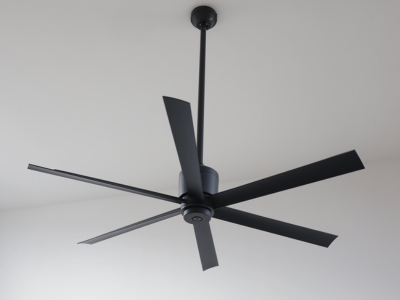
)
